Set out from Summerland or Big Pine Key with Captain Frank Betz, and you might well believe you’re in a marine paradise. He’ll point out the local wildlife – big green turtles and loggerheads – before putting you on a whole variety of fish before it’s even time for lunch.
This southernmost tip of Florida has earned its reputation as one of the most iconic places to fish in the United States. There’s something for every type of angler here: fabulous flats, vibrant reefs, and a whole range of pelagics migrating just a few miles from shore.

But you only need to look beneath the surface to see that this watery world is not what it once was. International fishing pressure, ballooning seaweed, and pollution have all made their mark.
Being out on the water every day, Capt. Frank is more aware of these changing conditions than most. He’s part of a select group of guides in the Florida Keys who act as stewards for their fishery, keeping on top of the changing environment and educating others through the Blue Star program.
We spoke to him about the practical ways he’s helping to conserve his local waters. Along the way, we also found out how Blue Star keeps the Keys special for future generations. Read on to find out what this program can mean for anglers and guides alike.
The Florida Keys – Special in More Ways Than One
The Florida Keys are almost mythical for anglers. Whether you’re taming giant Tarpon in the flats or seeking out Sailfish offshore, there are few places on the planet where you can find such accessible fish and so many guides ready to help you explore. People call it the “birthplace of saltwater sportfishing” with good reason.

“We’re so blessed here in the Keys that we have so many different species,” says Capt. Frank. “We’ll go catch Yellowtail Snapper and catch enough for a family of six, and then go do some jigging on the wrecks and maybe hook up a Tuna or some Amberjack. We can go do all these different things all within a 4- or 6-hour trip”.
That’s because South Florida is essentially one giant magnet for fish. 6,000 species of marine life depend on these mangrove-fringed islands, the coral barrier reef that borders them, and the extensive seagrass beds in between.
Practically every bit of these waters is protected by the Florida Keys National Marine Sanctuary. NOAA and the state of Florida govern the sanctuary between them, looking after more than 4,500 square miles of underwater habitats from Miami down to the tip of the Sunshine State. It’s through the sanctuary that the Blue Star program was born – to encourage dive operators and fishing guides to help preserve this unique ecosystem.
Fishing Sustainably: A Fine Line
The Florida Keys National Marine Sanctuary is carefully governed, but it’s also under pressure. Millions of people visit every year for fishing, diving, and boating. This takes a toll, especially when you combine it with changes happening further afield. The global appetite for Mahi Mahi is making a noticeable difference to this colorful fish’s numbers, for example.
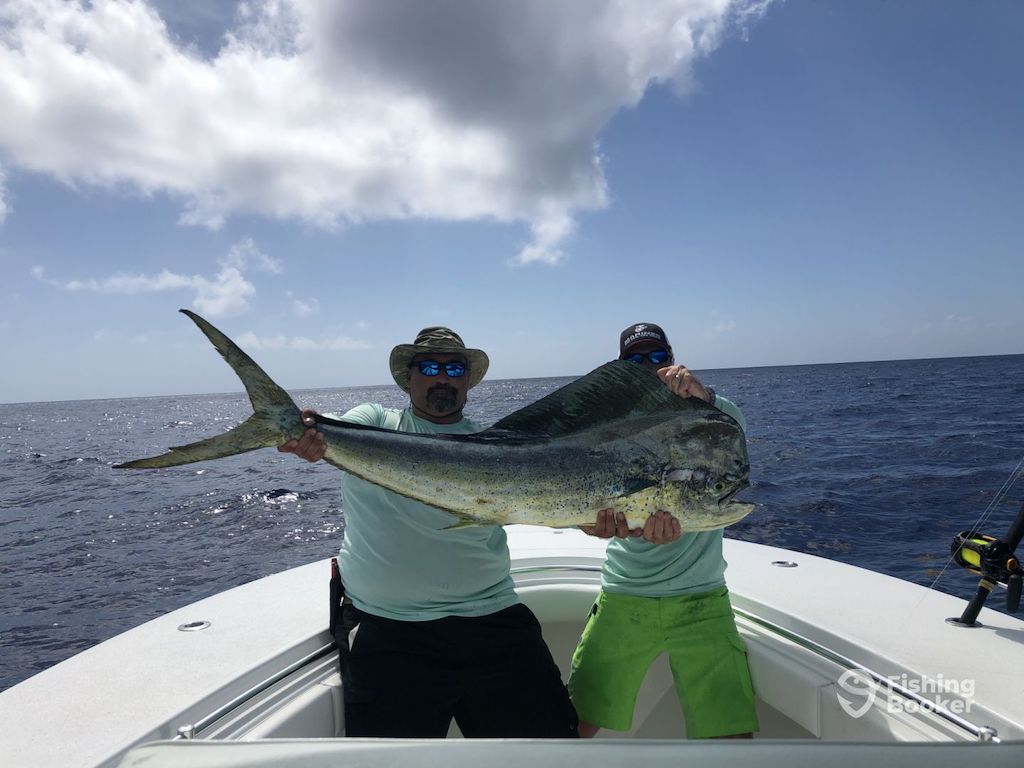
These changes are hard to ignore. But while some guides might look the other way, Capt. Frank faces the problem head-on. “I’m like: ‘All right. What’s the data that we have?'” he says. “And what can we do to fix it?”
He’s always been conservation-minded, but becoming a father made him even more determined to look after his local waters. “When [my son is] 30–40, what’s the fishery going to look like?” he asks. “Are we going to have fish? Or is it going to look like Cuba? So to me, it’s important.” Joining Blue Star was a no-brainer when he heard about it from another local captain. “To me, it’s important to become educated and to educate other anglers.”
Blue Star works with divers and anglers – two groups who don’t always see eye to eye. “You have some that want to pretty much ban fishing every chance they get,” he explains. “However, that’s not realistic.” Instead, he suggests that regulators should find the fine line between that and exploiting the ecosystem, “That’s what the program is about. Being conservation-minded and doing the right thing for the environment you’re utilising.”
Blue Star is just a part of how Capt. Frank does this. He also participates in the Dolphinfish Research Program, tagging and releasing Mahi Mahi when fishing offshore. “Let’s just conserve what we can conserve,” he says simply. “And let’s be a good steward while we’re out there.”
Frank’s Recipe for Responsible Guiding
Being out on the water every day, Capt. Frank is always looking out for the ecosystem around him. Easy and approachable, he demonstrates sustainable practices without forcing them down anyone’s throat. His clients may not even notice, but these simple steps help him boost his fishery’s lifespan – while also providing an unforgettable trip every time.
Plan Carefully
“My first question to my guests is, ‘How many people are we feeding, and for how long?'” Capt. Frank begins. He explains that, instead of cutting anyone’s trip short once their goal is reached, he’ll simply move to another spot and start to catch and release.
“The reality is, when you put fish in the freezer and it’s gone past 6 months, you’re not going to eat it,” he says. “Catch what you want to eat, catch what you want to freeze, and eat when you go back home. But don’t be greedy, there’s plenty of fish there, there’ll be plenty more when you get back.”
Release Safely
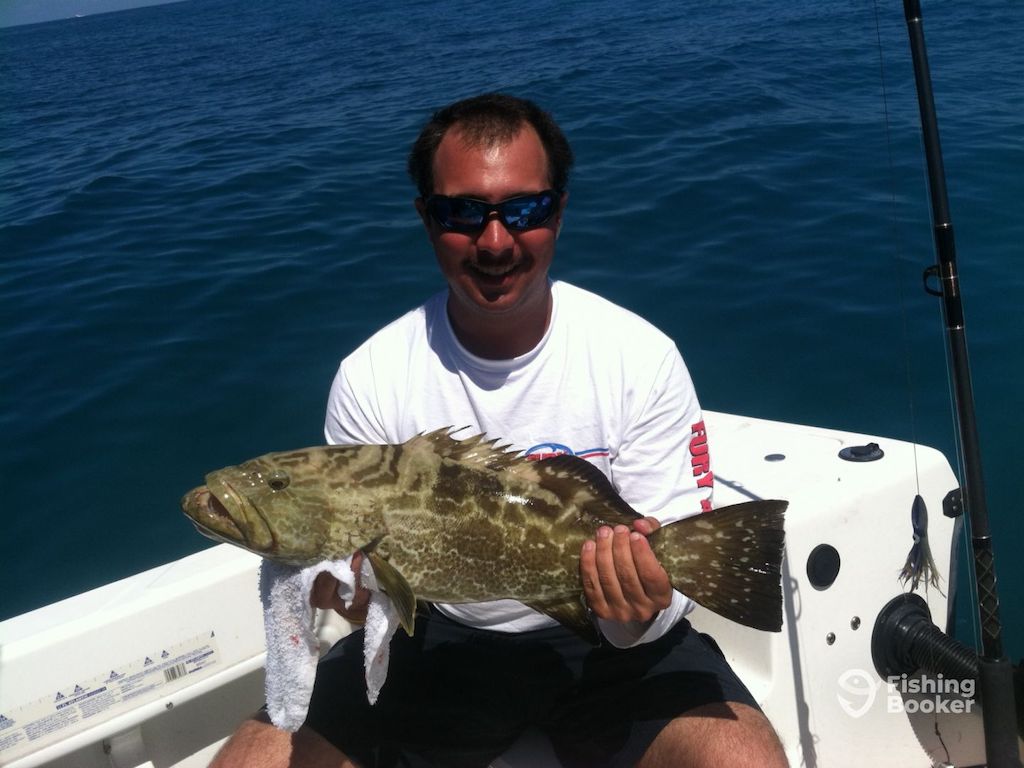
Being able to release fish properly is key to promoting a healthy fishery. Capt. Frank stays on top of the latest research and equipment in part through Blue Star. “It’s a no-brainer,” he insists. “If I want clients to catch that same fish – well, I want it to be alive.”
Here are some of the techniques he employs:
- Using circle hooks. During his trips, Capt. Frank shows anglers how circle hooks work, and how that results in fewer gut hooks. “Little things like that make a huge difference in returning a lot of the Snapper and Grouper population unharmed,” he explains.
- Safe handling. Keeping larger fish in the water while taking photos and supporting Groupers’ weight is crucial to help them survive. Whether it’s Billfish offshore or Tarpon in the shallows, handling them safely means they can migrate back here again. After all, “A 120 lb Tarpon this year will be 140 pounds another year,” he reminds us.
- Aiding the descent. New technology, like descending devices, makes it much more likely for bottom fish to survive and thrive after coming to the surface. Capt. Frank mentions that many of his guests fish elsewhere on their own and will ask about equipment like this. Talking to them about the benefits encourages them to invest in specialist equipment themselves and spread their newfound knowledge beyond the Keys.
Clean Up
“If we see debris out there, we’ll pull over and stop, and I’ll reinstate the importance of caring for the environment.” Capt. Frank’s trips aren’t a clean-up operation, but stopping to pick up fishing nets and plastic occasionally removes eyesores while also caring for the sea turtles and other wildlife.
Feedback
Responsible fishing guides enforce – and inform – fishing regulations. Following research and getting involved in questionnaires and surveys means guides like Capt. Frank impact each species’ ability to reproduce, while also having a say in how regulations develop. “It’s important to give contributions to make these decision makers go in a better direction. Not just, ‘Let’s just kill everything for today, because it sells more trips currently,'” he explains.
Coming Together for a Stronger Fishery
This ethos directly matches the values the Blue Star program promotes, and Capt. Frank believes that more guides should get involved. After all, not only does the program help captains stay on top of their game and better preserve their waters, it also gives them recognition for it. But that’s not all – there are several benefits guides can expect from becoming a member:
Learning
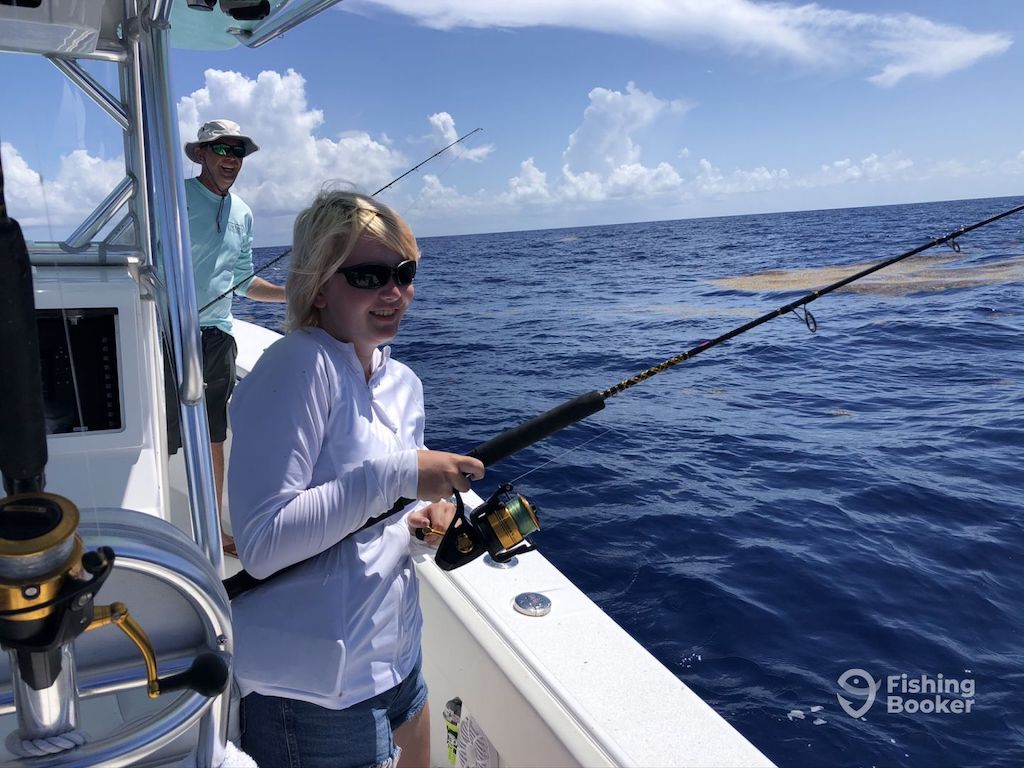
Something that Blue Star does best, according to Capt. Frank, is its focus on continuous education. “I’m learning stuff all the time,” he claims, highlighting how our knowledge of the ocean and the marine life within it is changing – and how important it is to stay on top of that. There’s “Always something you can learn, or pick up, or get better at,” he adds.
Over the years, he’s also been given a couple of different descending tools to try out and give his feedback on. This has helped him promote these practices to his guests while also feeding back to the manufacturers. He’d like to see more opportunities like this in the future.
Growing
While Blue Star has not been his main driver of new customers, one or two have found him directly through the program. Its small size makes being part of the list particularly exclusive, and a strong mark of professionalism in a crowded market.
Shaping

Even more important, being part of a professional body gives you clout. Locals expect the Marine Sanctuary to shake up how the local area is managed in the near future, and Capt. Frank believes that being part of the program means, “I can be part of the voice to try to keep things reasonable.” He sees this as an opportunity for the area’s most responsible and invested guides to feed back on proposals. “I think that gives us, as professional guides, a little more leverage when it comes to lobbying for betterment of the resource,” he summarizes.
Beyond the political talk, there’s a clear benefit to guides getting together and agreeing on how to use the fishery. After all, “If everyone gets in the same mindset of ‘take what you need to take, but conserve what you need to conserve’, we’re going to have a stronger fishery over the long haul.”
There’s Hope on the Horizon, But It Needs to Be Managed
When asked about how he sees the fishery developing, Capt. Frank is fairly optimistic. “If properly regulated, the fish could continue on at the same or even higher levels,” he says. It all depends on smart regulations and good local knowledge.

Every fishing guide in the Florida Keys has their own motivations and aspirations. But most would agree that this special ecosystem is worth holding onto. There are few better places to relive those childhood memories, go out, have fun, bend a rod and tell stories, and catch some dinner and call it a day. That alone is worth preserving. Don’t you think?
Have you heard about Blue Star? What tips do you do to keep your local waters thriving? Let us know in the comments below!
The post Fishing, Family, and the Future of the Florida Keys with Blue Star Guide, Captain Frank Betz for 2026 appeared first on FishingBooker Blog.
https://ift.tt/5dtXcH7
0 Comments
Enregistrer un commentaire