The Cheese State conjures images of giant Musky and Smallmouth Bass in the minds of anglers. But it’s also a great state for Trout fishing. With thousands of miles of productive streams and rivers, you won’t have any problems finding places to explore on the inland side.
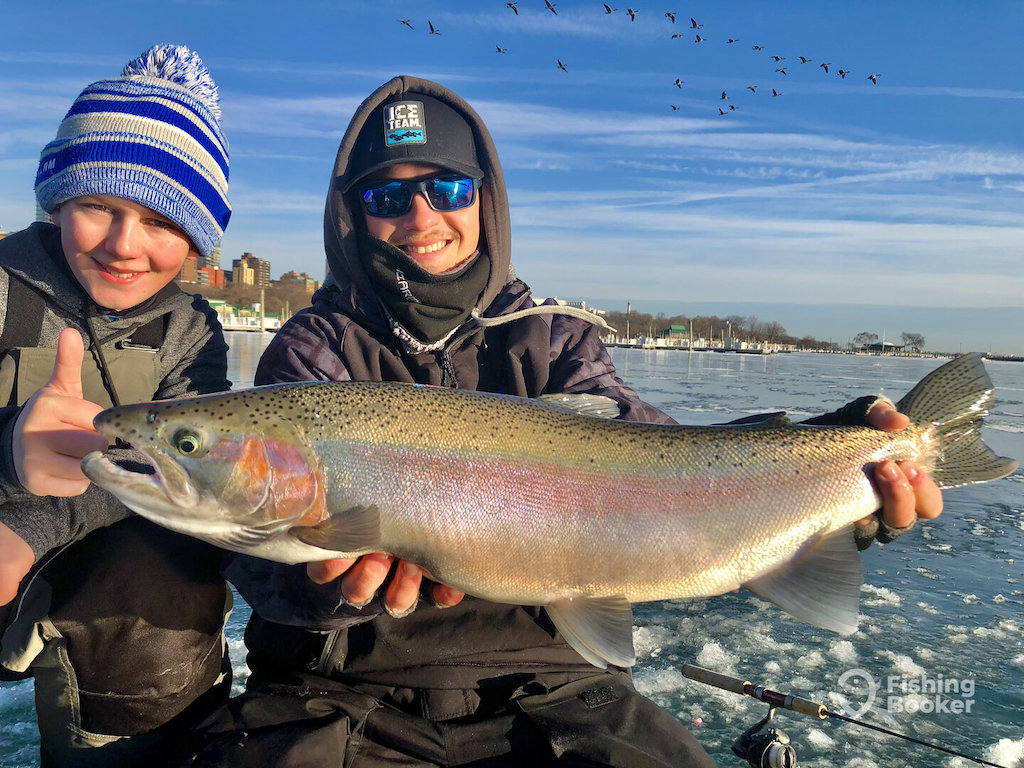
Lake Michigan and Lake Superior add another layer of opportunity with huge waters and giant Trout to chase. The Great Lakes and associated tributaries have separate rules from inland waters, so pay close attention to the regulations before fishing these places. Let me break down the Wisconsin Trout seasons for you so that you’re ready to hit the water!
Wisconsin Trout Species
Before we get into the Wisconsin Trout seasons, let’s take a quick look at what you can target here…
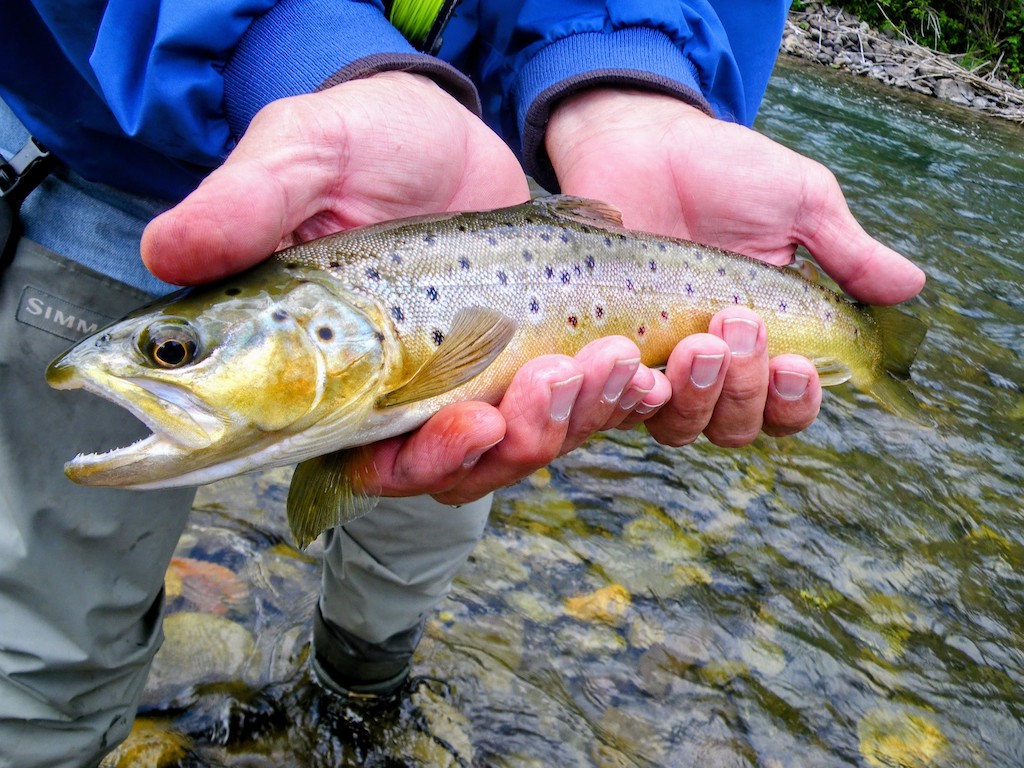
Brook Trout are my personal favorite because they’re native to these waters. This makes them very special, and the state has some great streams to chase them as well. However, while Brook Trout are exciting, it’s the Brown Trout and Rainbow Trout that reach larger sizes and entice many more anglers.
Anglers tend to focus on finding the big lake-run fish or the largest resident Trout in river systems. It’s difficult to beat a big Brown Trout or hard-fighting Steelhead that brings size and power to a small river. Thankfully, Wisconsin has some of these unique fisheries!
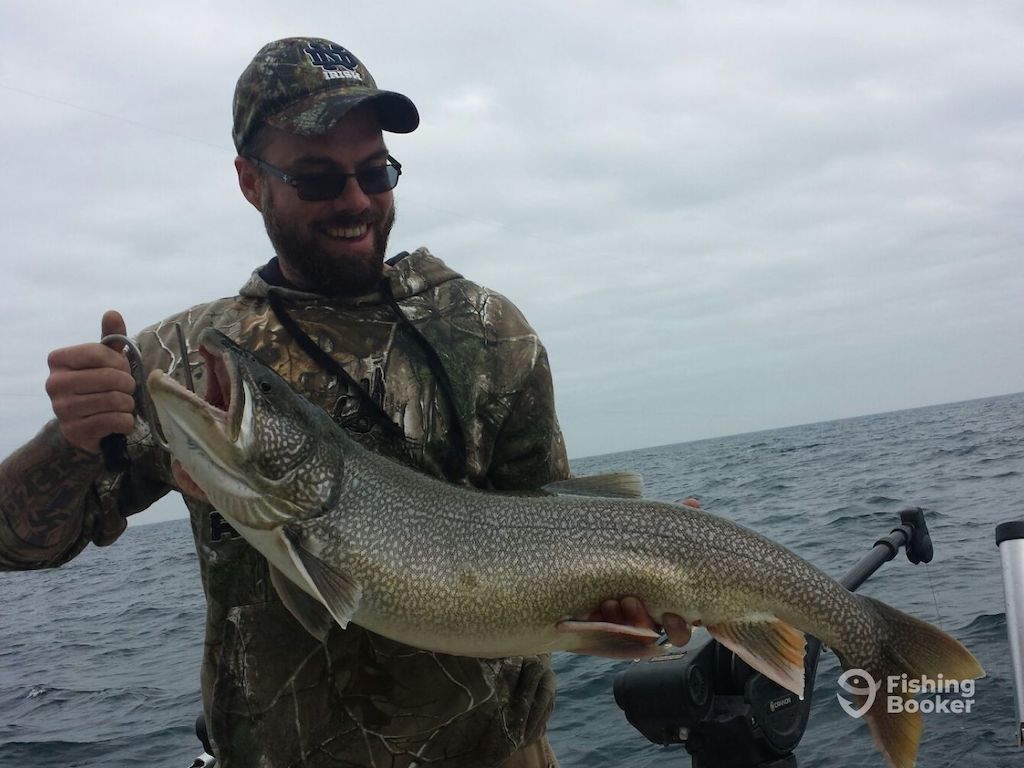
Lastly, anglers also target Lake Trout here. Although “Trout” is in the name, these fish are really a Char. And they’re also called Mackinaw by some anglers. Lake Trout can reach huge sizes and – surprise, surprise – live in lakes. The Great Lakes produce world-class fish that live in deep waters.
Where do Trout live in Wisconsin?
With thousands of Trout streams, the possibilities are seemingly endless in Wisconsin. Trout are found throughout a good chunk of the state, but a few regions stand out. For anglers wanting to explore, use this list to search streams and maps by county. It’s a fantastic resource for finding new places with Trout populations. But here are a few top spots, in my opinion…
Driftless Region
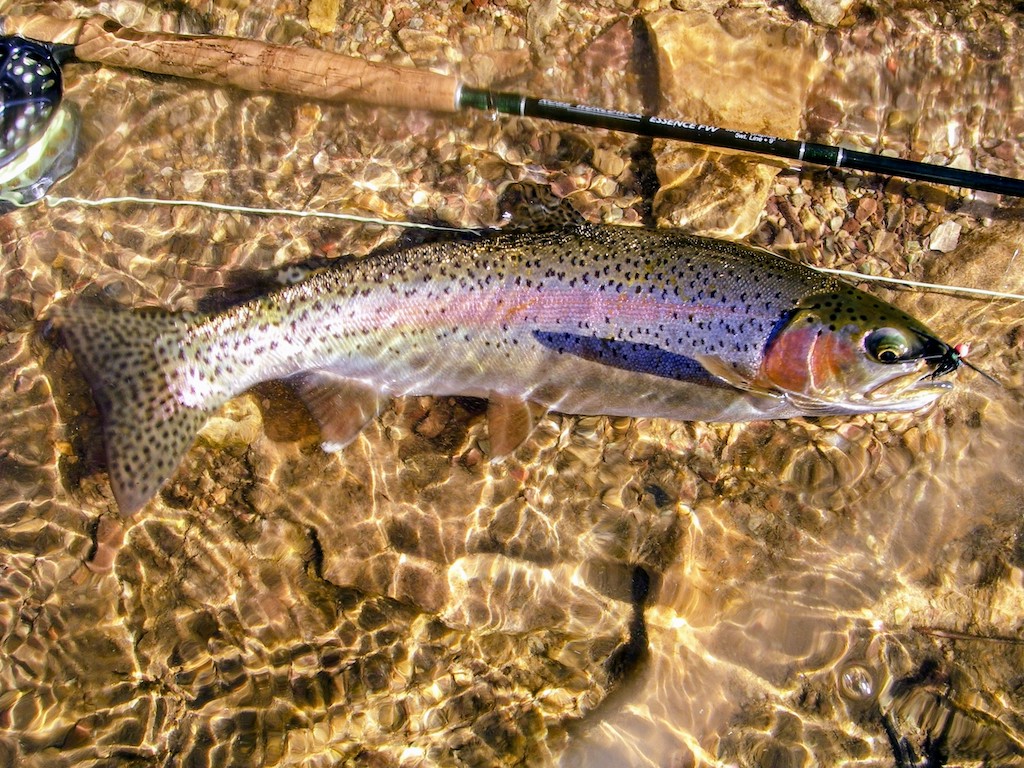
The highlight for Wisconsin Trout fishing is the Driftless region. The area has a ton of cold water streams, which are home to Trout ranging from small to sizeable. Located in southwest Wisconsin, this is actually a region that spans multiple states – crossing borders with Minnesota, Iowa, and Illinois. A significant portion of the Driftless sits inside the Wisconsin border, though, and it’s a very productive place to cast flies or lures. With more than 60 streams, there’ll be plenty of elbow room when you visit.
Great Lakes and Streams
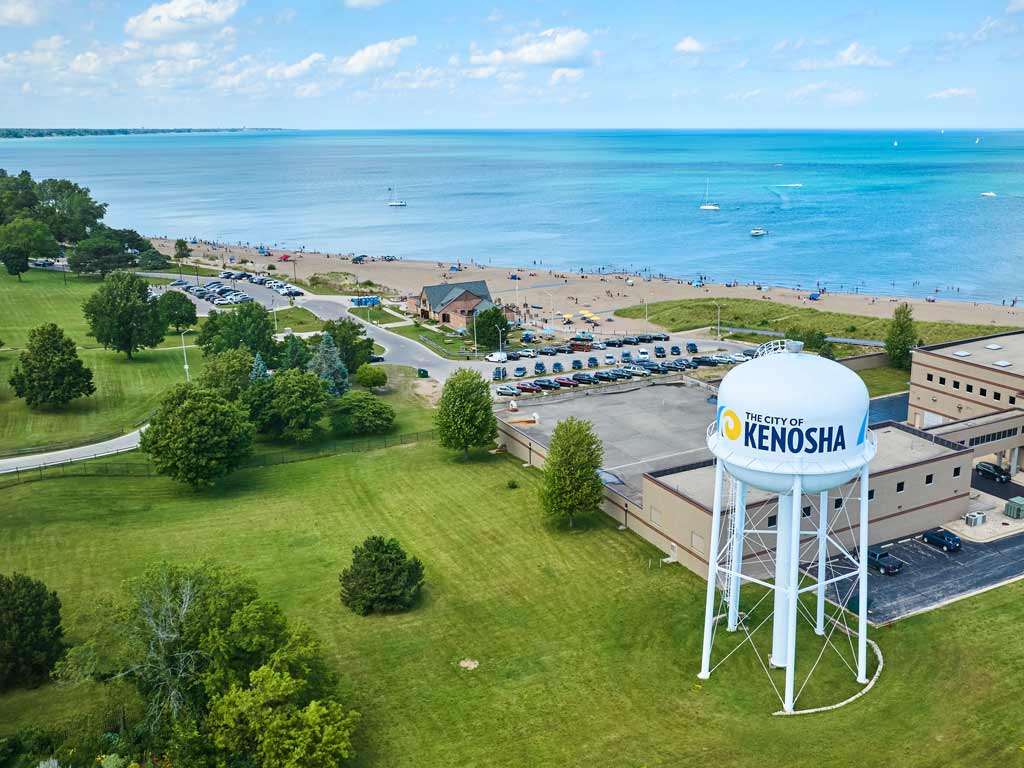
Lake Michigan and Lake Superior are highlights for anyone willing to brave the big waters. Trolling and running downriggers is a favorite method of targeting big Trout in the lake, but you can also catch them by jigging, casting flies, and more.
The streams connected to the Great Lakes are also worth your attention. Many have resident Trout but also receive seasonal runs of lake fish. Brown Trout and Steelhead move between the lakes and rivers, for example. If you ask me, the Brule River is a favorite.
Sand Counties
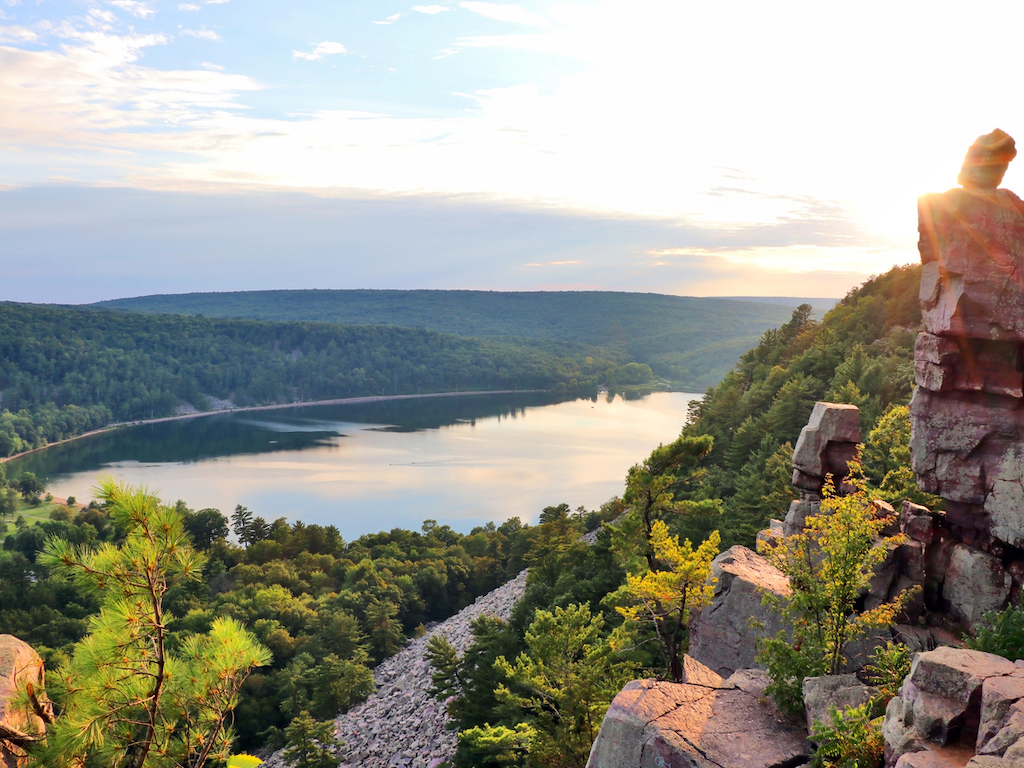
Central Wisconsin is known for sandy soil conditions, hence the Sand Counties moniker. This area has a number of productive rivers with sandy bottoms and super clear waters. Trout are tricky and spooky in some of these places, making for a fun experience. Look for structure and anywhere they can hide in the rivers of this region, where you’ll maximize your chances.
Fun fact: Sandy Counties are the same ones behind Aldo Leopold’s famous Sand County Almanac. The region has a rich history of land management that serves clean water alongside productive agriculture.
Wisconsin Inland Trout Fishing Seasons
Most of Wisconsin’s Trout waters fall within the inland category. Three specific seasons are aligned with water types for inland fisheries. The season dates are as follows:
| Season | Opening date | Closing date |
| Early inland (catch-and-release) | January 3 | October 15 |
| General inland (streams, springs, spring-fed ponds) | April 4 | |
| General inland (lakes and ponds) | May 2 |
The seasons listed here are general. Some streams may also have additional restrictions as noted in the regulations. You should also know that the exact dates can change each year. Always double-check the opening dates and times each new year.
Wisconsin Great Lakes and Connected Stream Trout Seasons
Season dates for Great Lakes streams are different from inland streams. Some rivers in this category also have extended seasons that run beyond the dates listed here:
| Location | Season |
| Lake Superior streams | May 2 – September 30 |
| Lake Michigan streams | September 15 – First Saturday in May |
| Lakes Michigan and Superior | Year-round |
As with inland seasons, do your research to find those extra seasons and opportunities that coincide with lake-run Trout.
Where will you target Trout in Wisconsin?
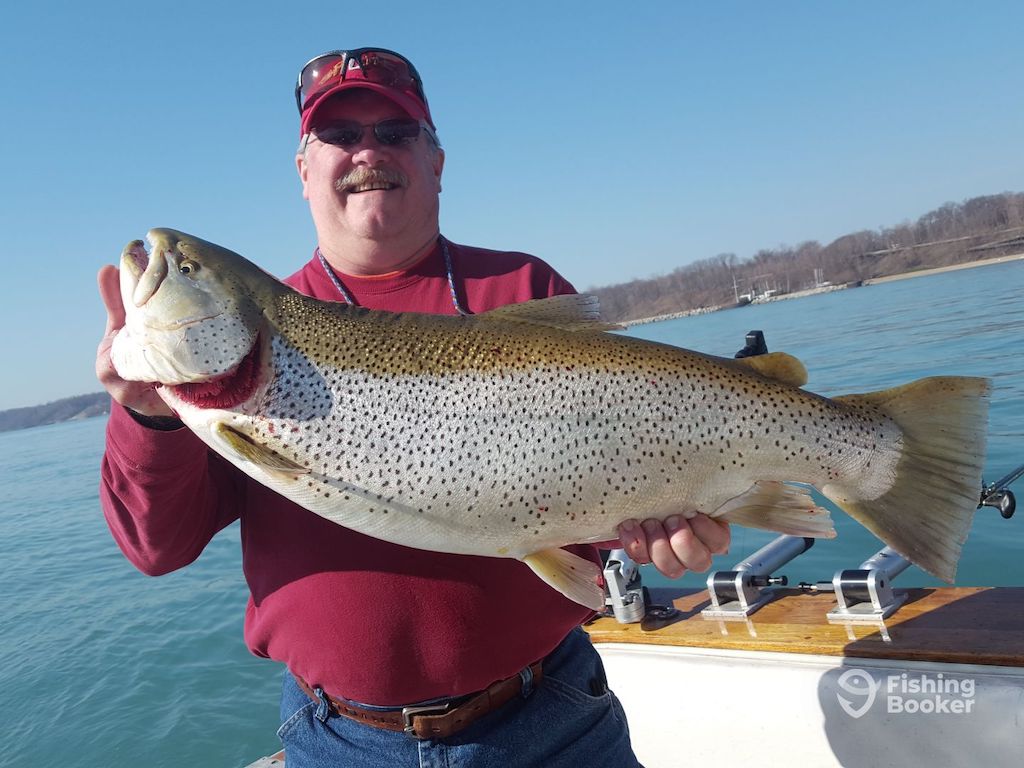
One of the most difficult things about Wisconsin is deciding where to fish. The number of streams with Trout can overwhelm anglers because there’s just so much water! Some of these streams are choked with brush and difficult to fish. You’ll need short rods and the ability to drop a lure or fly in tight spaces. Others, though, are meandering and wide open.
Spend some time researching the options and go for a drive to find new places and access. You can spend a lifetime finding new places and exploring the thousands of miles of Trout streams in the state. Wisconsin is a Trout fishing paradise with variety, size, and beautiful landscapes. Make the most of the exciting seasons!
Are you a Wisconsin Trout nut? We’d love to hear about your strategies for catching Trout across the state. Share away in the comments below!
The post Wisconsin Trout Seasons: An Angler’s Guide to Navigating Dates and Regions for 2026 appeared first on FishingBooker Blog.
https://ift.tt/9gF6s8b
0 Comments
Enregistrer un commentaire