If you’re looking for a small, feisty fish with good filet quality, look no further than the Spanish Mackerel. But just because they’re small and plentiful, it doesn’t mean they’re easy to catch. You’ll want to check up on the Spanish Mackerel fishing season to make sure you time your trip right to get your fill of this delicious species!
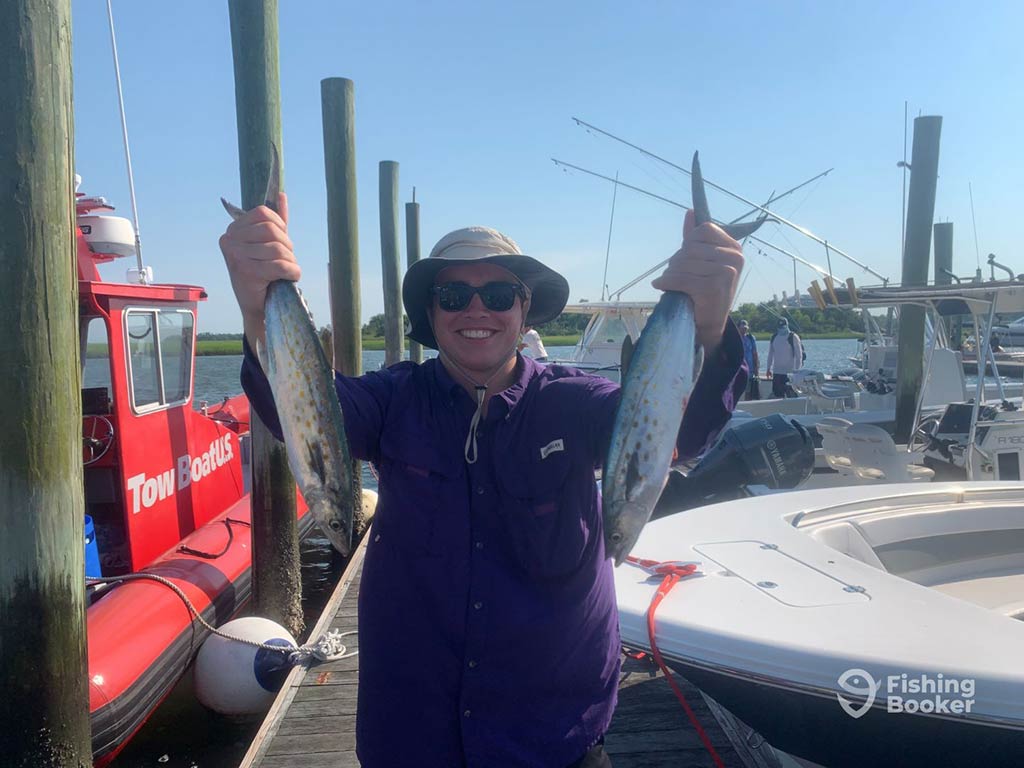
These guys boast strong populations all along the US Atlantic Coast, promising plenty of fun and full coolers whenever you come across them. Let’s dive into how you can ensure a good catch and harvest, no matter where you’re fishing.
Spanish Mackerel Seasonal Regulations
First things first, let’s talk about regulations. Having a valid saltwater fishing license for the state you’ll be fishing in is the first step. You’ll then want to ensure your region’s regulations for harvesting. The good news is that Spanish Mackerel are very abundant and aren’t at risk of overfishing or population decline. They, therefore, don’t have a whole lot of restrictions!
That being said, the South Atlantic Fishery Management Council is planning to review and discuss the Spanish Mackerel fishery again, which may impact future management efforts for them. But for now, all is good as the populations are healthy and thriving. Anyway, let’s break it down by region:
Southeast Region
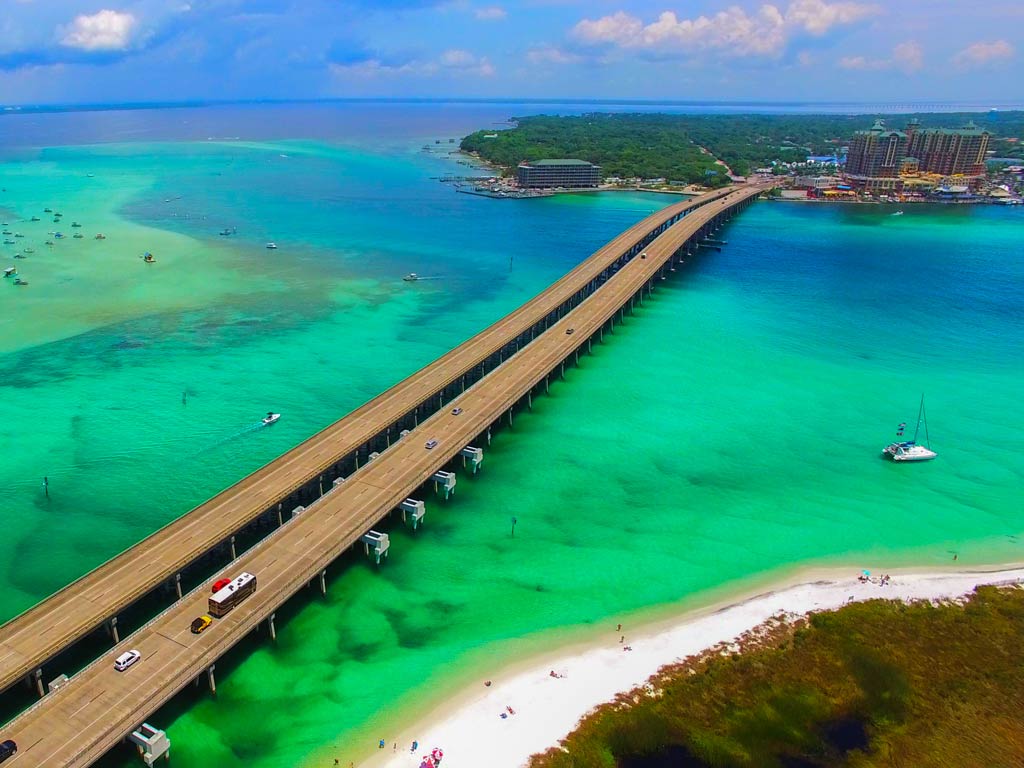
In Florida, Georgia, North Carolina, and South Carolina, the Spanish Mackerel season is open year-round. You’re allowed 15 per day, as long as they are each a minimum of 12 inches, fork length. The allowed gear for catching and harvesting consists of beach or haul seines, cast nets, hook and line, and spears.
Mid-Atlantic Region
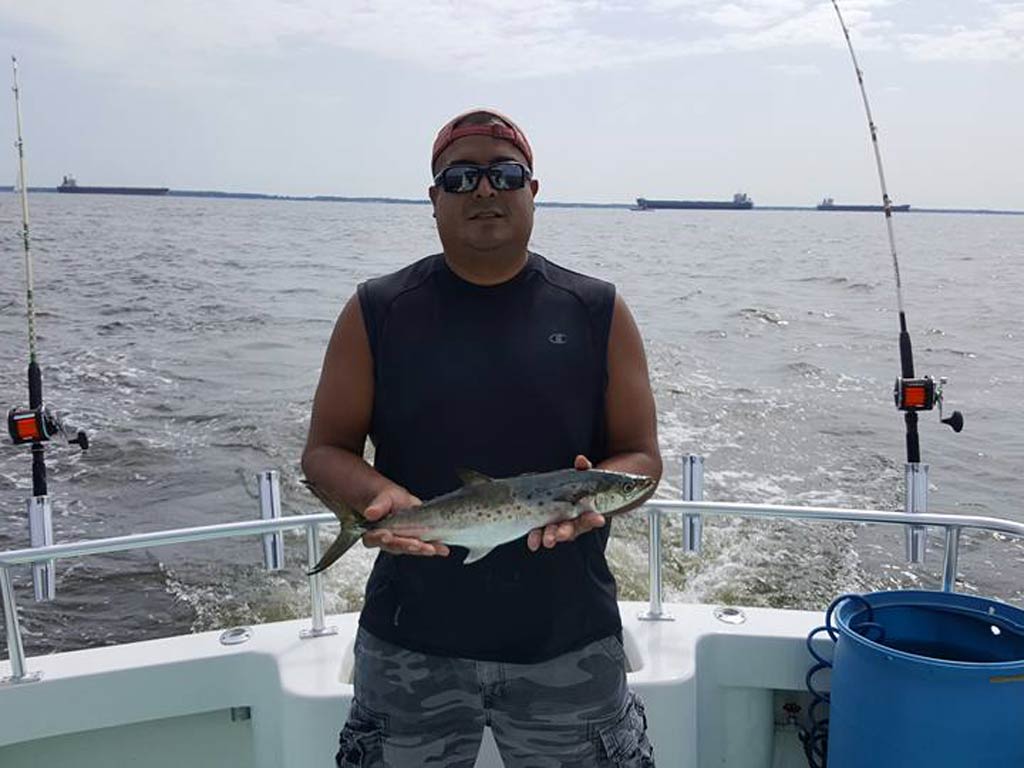
A bit further up, we have some northern states that are surrounded by the mid-Atlantic Ocean. You’ll find Spanish Mackerel in Virginia, Maryland, Delaware, New Jersey, and New York. They all exhibit the same regulations as the Southeast, except New Jersey, where you can only keep 10 Macerel per day instead of 15 like the others.
Northeast Region

Spanish Mackerel aren’t as populous in the Northeast, but they can migrate as high as the Cape Cod area to spawn in spring. As with everywhere else, there are regulations in place. But the good news is that states like Massachusetts allow greater limits of 25 per day, with no minimum size.
Gulf of America
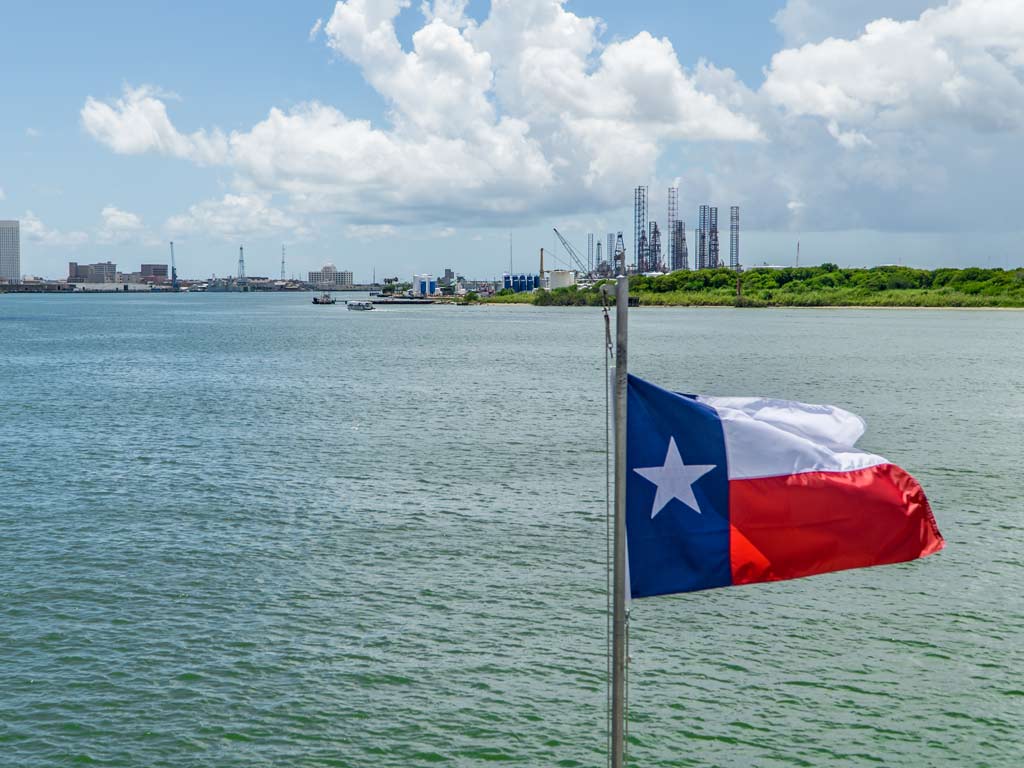
West of Florida, the Gulf brings lots of Spanish Mackerel to the Texas, Louisiana, Mississippi, and Alabama coasts. Once again, they all have the same regulations as those in the southeast region above, but there’s one difference. Despite having the same minimum fork length requirement, Alabama actually does not have a daily bag limit on Spanish Mackerel.
How to Identify and Fish For Spanish Mackerel
You’ve heard all the regulations, but how do you know you’ve caught a Spanish Mackerel? With at least 20 Mackerel species across the globe – including plenty in the US – it’s a good idea to know how to identify Spanish Mackerel specifically.
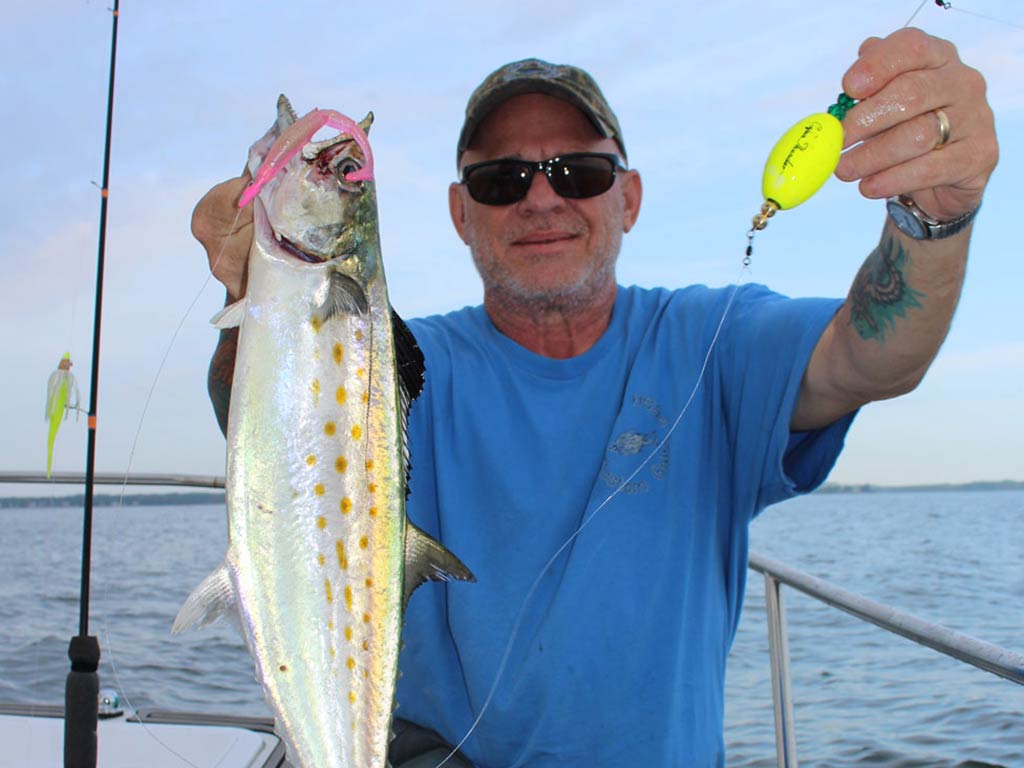
These fish have a skinny, long body – shaped a bit like a torpedo – with a forked tail. This gives them great speed abilities! They have a slimy, smooth-scaled, silver coat with yellow spots along their sides. However, there’s also a green and yellow hue, which makes this species stand out from the pack. You’ll usually find them between 14 and 20 inches, rarely weighing over 3 pounds.
As they are small and fast, success comes down to speed, flashiness, and presentation. Light spinning tackle (think 10–15 lb braid with 20–30 lb fluorocarbon leader) with small hooks and lures is key. Finger mullet, pilchards, shrimp, and other small live or cut whitebait are excellent. You can also use lures that mimic small bait fish, such as spoons, plugs, jigs, and swimbaits.
Cast your line far and retrieve quickly, adding in erratic twitches or pauses to trigger strikes from nearby Mackerel. You can also troll your bait behind a boat or in a current to cover more ground. Get ready for hard strikes and a fast run, as their initial hit is aggressive and often followed by direction changes. But once you get a good hook set, they aren’t too hard to pull in. Keep your line tension balanced, and you should be good.
Spanish Mackerel Fishing Season by Hotspot
Now that you’re familiar with Spanish Mackerel regulations, how to identify them, and the techniques to hook and land them, the next step is understanding when and where to target them.
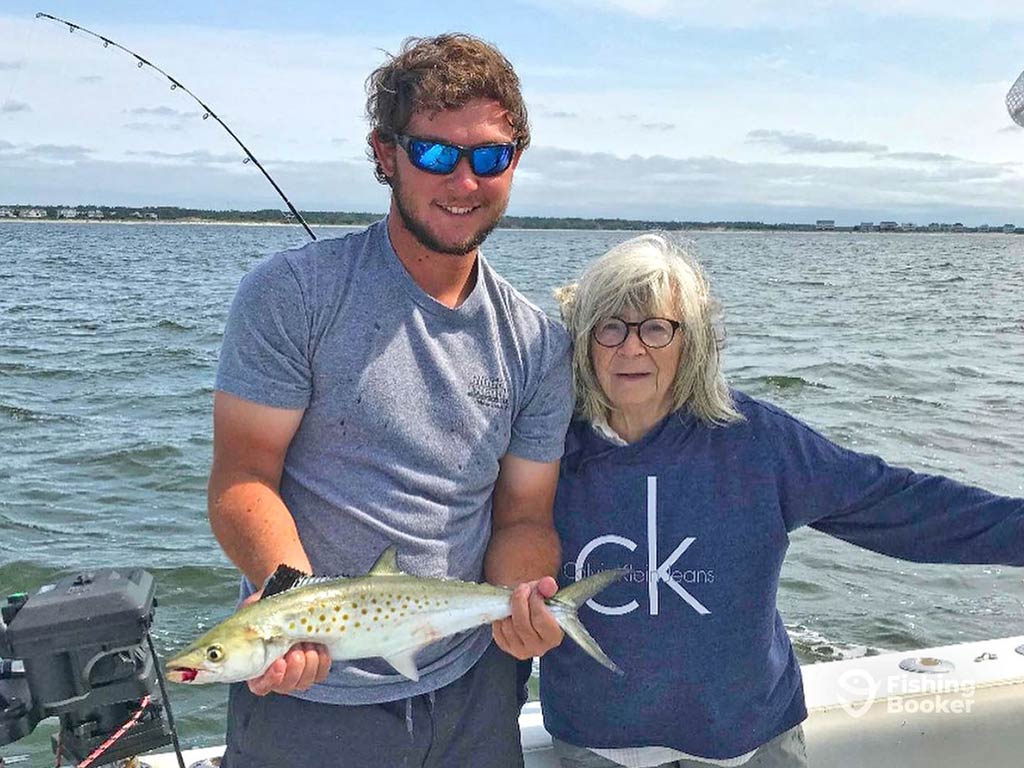
The best time to target Spanish Mackerel is early morning and late afternoon, as low light often makes them more active. However, they’ll still hit throughout the day if bait is present and they’re hungry.
Because these fish migrate due to changing temperatures and bait movement, their peak seasons and productive hotspots vary by region. Let’s take a look at how each region presents so you can increase your chances of success at catching some…
Southeast Region

From the coast of Florida to Georgia and the Carolinas, Spanish Mackerel are a staple species. Get ready for peak action from late spring through early fall. You can target them in well-known areas like the Florida Keys, the Everglades, Cape Canaveral, Myrtle Beach, and the Outer Banks, where bait often draw in large schools during this time of year. Look around channels, nearshore points, mangrove lines, backwater cuts, and fast-moving currents. In fact, the southeast region is amongst the most consistent for targeting Spanish Mackerel!
Mid-Atlantic

Moving north into the mid-Atlantic region, Spanish Mackerel become more seasonal, typically showing up from early summer through early fall when the waters are warmer. Popular hotspots include Chesapeake Bay, Ocean City, Cape May, and Long Island. Peak fishing occurs around mid-to-late summer when water temperatures are ideal in open waters, tidal rips, and the mouths of bays and estuaries.
Northeast Region

In the far northeast, particularly around Massachusetts, Spanish Mackerel are less common but will make a seasonal appearance during warm-water transitions. Areas like Cape Cod and Nantucket Sound can see brief but exciting runs when conditions line up in the summer. The peak season here is short, making timing critical if you want to encounter them this far north. Search for them near warm-water pockets along beaches, shoals, and sounds.
Gulf of America

Along the Gulf Coast, Texas, Louisiana, Mississippi, and Alabama all see their fair share of Spanish Mackerel fishing during the season. The warmer waters here mean a longer season, lasting from spring through fall. The best action takes place during late spring and summer in productive areas like Galveston, Grand Isle, Biloxi, and Gulf Shores. These fish follow bait along beaches, passes, and nearshore structures, offering consistent opportunities across much of the warmer season.
The Spanish Mackerel Season Is Just Getting Started!

Spanish Mackerel are among the most exciting, accessible, and simple saltwater fish to fight. They offer fast action for anglers of all skill levels and ages – not to mention some tasty rewards! By understanding the regulations, dialing in the right techniques, and paying attention to seasonal movements and regional hotspots, you can consistently find success on the water.
Time it right, keep your presentation fast and flashy, and you’ll be ready to make the most of every Spanish Mackerel run. Plus, with an open season year-round almost everywhere, along with decent bag limits, you can settle in for productive fishing and tasty treats!
What was the biggest Spanish Mackerel you ever caught? And where did you catch it? Do you agree with our breakdown of the seasons? Let us know in the comments!
The post Spanish Mackerel Season: An Angler’s Guide appeared first on FishingBooker Blog.
https://ift.tt/8knos42
0 Comments
Enregistrer un commentaire