Texas is known for its legendary lakes, with some of the most dependable and well-rounded fishing experiences to be found inside its state parks. These parks combine documented sport fisheries with maintained access points, designated fishing areas, and infrastructure that makes planning a trip straightforward.
Whether you’re casting from a shoreline pier, launching a kayak at first light, or backing down a public ramp before a bass bite, this data-based ranking of the Top 10 Fishing State Parks in Texas will remove much of the friction from getting on the water.

For 2026, we evaluated and ranked the strongest fishing-focused state parks across the state. The result prioritizes fisheries first, but also rewards parks that make those fisheries accessible, structured, and repeatable.
Caddo Lake State Park
Caddo Lake takes the top position because it offers one of the most structurally complex and species-diverse fisheries within the Texas state park system. Unlike most Texas lakes, Caddo is a natural lake system shaped by flooded timber, aquatic vegetation, sloughs, and interconnected bayous. According to Texas Parks & Wildlife, the lake supports Largemouth Bass, Spotted Bass, Crappie, Channel, Blue and Flathead Catfish, White Bass, Yellow Bass, Chain Pickerel, and multiple Sunfish species, one of the deepest sport lineups in the state park network.
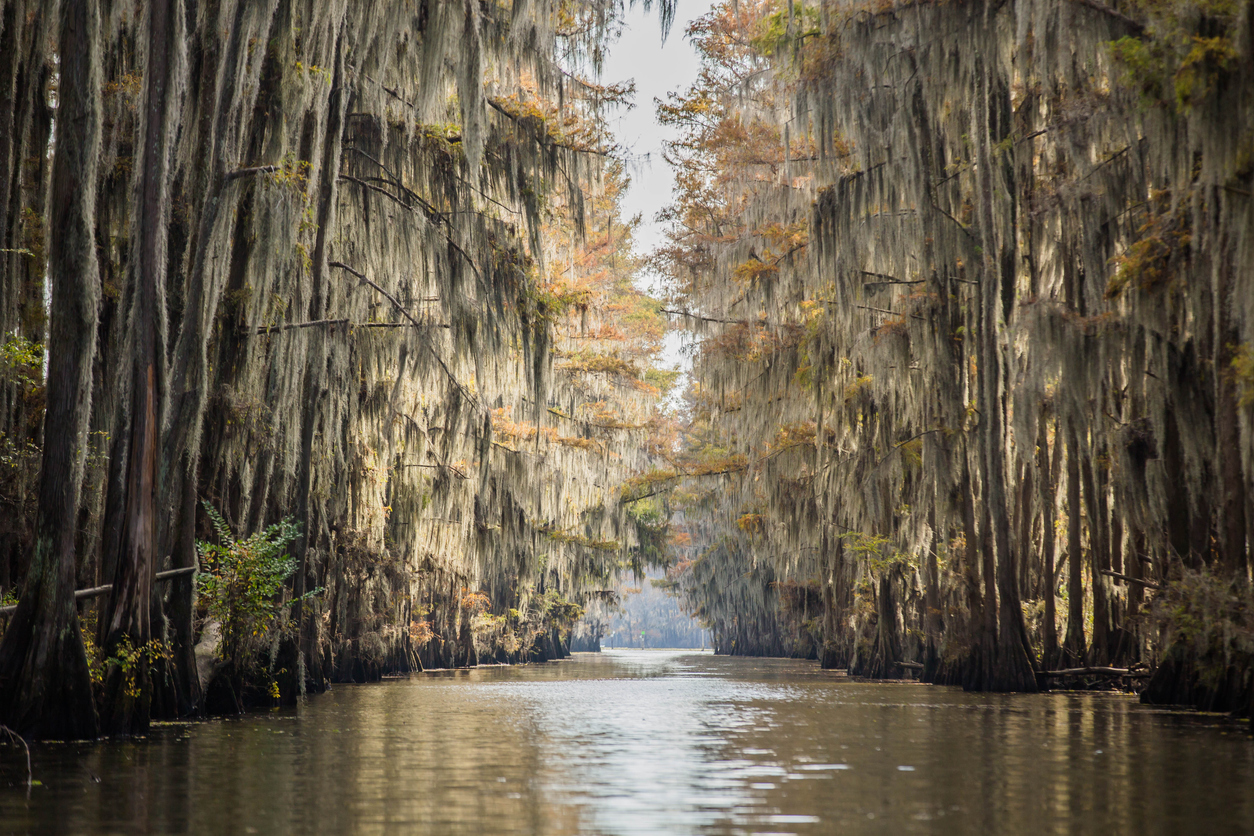
Spring consistently produces strong Bass action, and the year-round fishery remains active thanks to the lake’s structure. Shore access, paddling trails, and public boat ramps give anglers multiple ways to approach the water.
Add in scenic wetlands and established camping facilities, and Caddo becomes more than productive, it becomes distinctive. That combination of fishery strength and full access is what secured its #1 ranking.
Lake Bob Sandlin State Park
Lake Bob Sandlin ranks second due to its balance of accessibility and fishery reliability. TPWD documents Largemouth Bass, Spotted Bass, White Bass, Crappie, Channel Catfish, and Sunfish as key species in the lake, giving anglers consistent multi-species opportunities throughout the year.
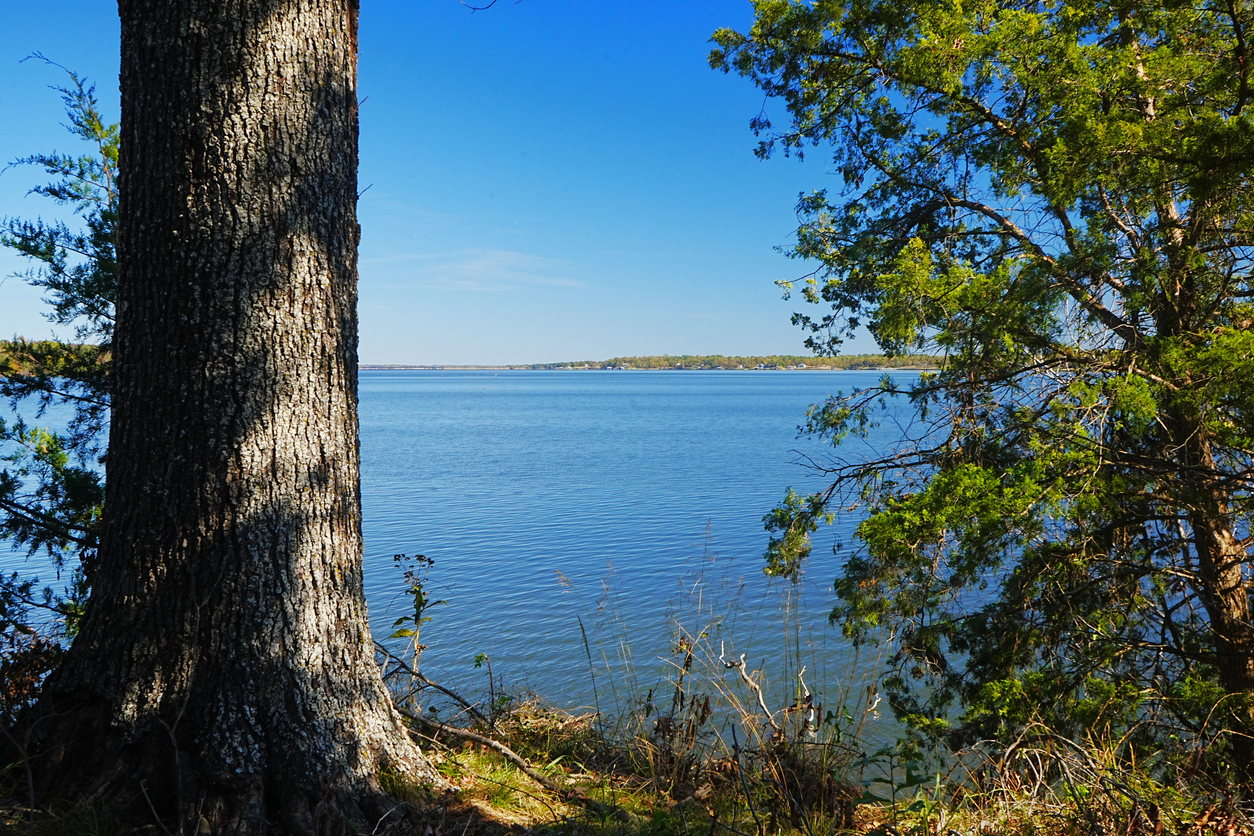
White Bass runs, and solid Largemouth populations are particularly notable here. The lake’s structure supports seasonal patterns that reward repeat visits rather than one-off trips. The state park includes a lighted fishing pier and boat ramp, ensuring both shore anglers and boat anglers are fully accommodated.
Bob Sandlin doesn’t rely on novelty, it relies on dependable fishing and strong infrastructure. That consistency across categories kept it firmly near the top.
Inks Lake State Park
Inks Lake stands out for one major reason: it’s a constant-level reservoir. Unlike many Texas lakes that fluctuate seasonally, Inks Lake maintains stable water levels, which contributes to predictable fishing patterns. The lake supports Largemouth Bass, Guadalupe Bass, White Bass, Crappie, Channel, Flathead Catfish, and Sunfish.
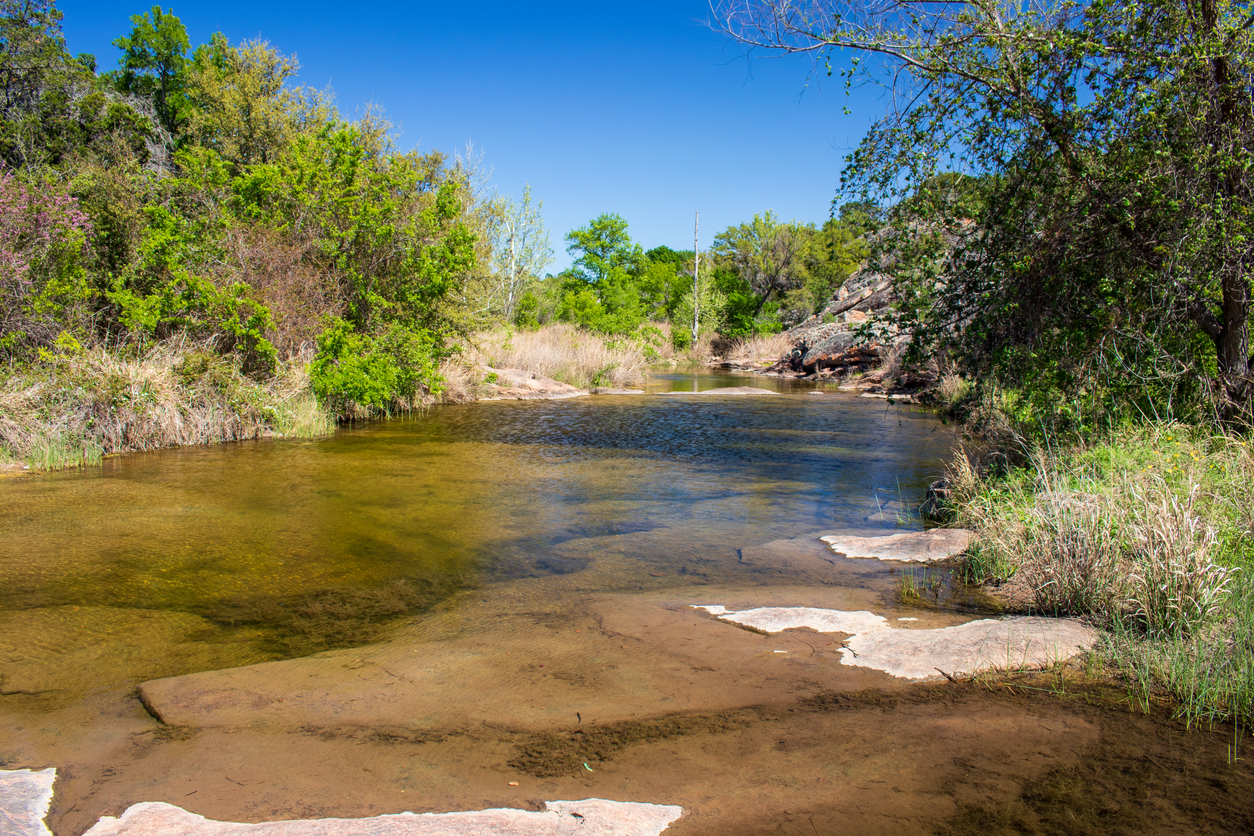
The Guadalupe Bass presence adds a native-species element that not all parks can offer. Anglers can fish from shore, from a lighted pier, or launch from the public ramp. Kayak access is straightforward, and the lake’s layout supports both open-water and structure-oriented fishing.
Inks Lake’s reliability, combined with strong facilities, is what pushed it into the top three.
Huntsville State Park
Huntsville centers around Lake Raven, a no-wake lake that supports Largemouth Bass, Blue, Channel, and Flathead Catfish, Black and White Crappie, and Sunfish species. The controlled boat environment creates a calmer fishing atmosphere that appeals to kayak anglers and families.
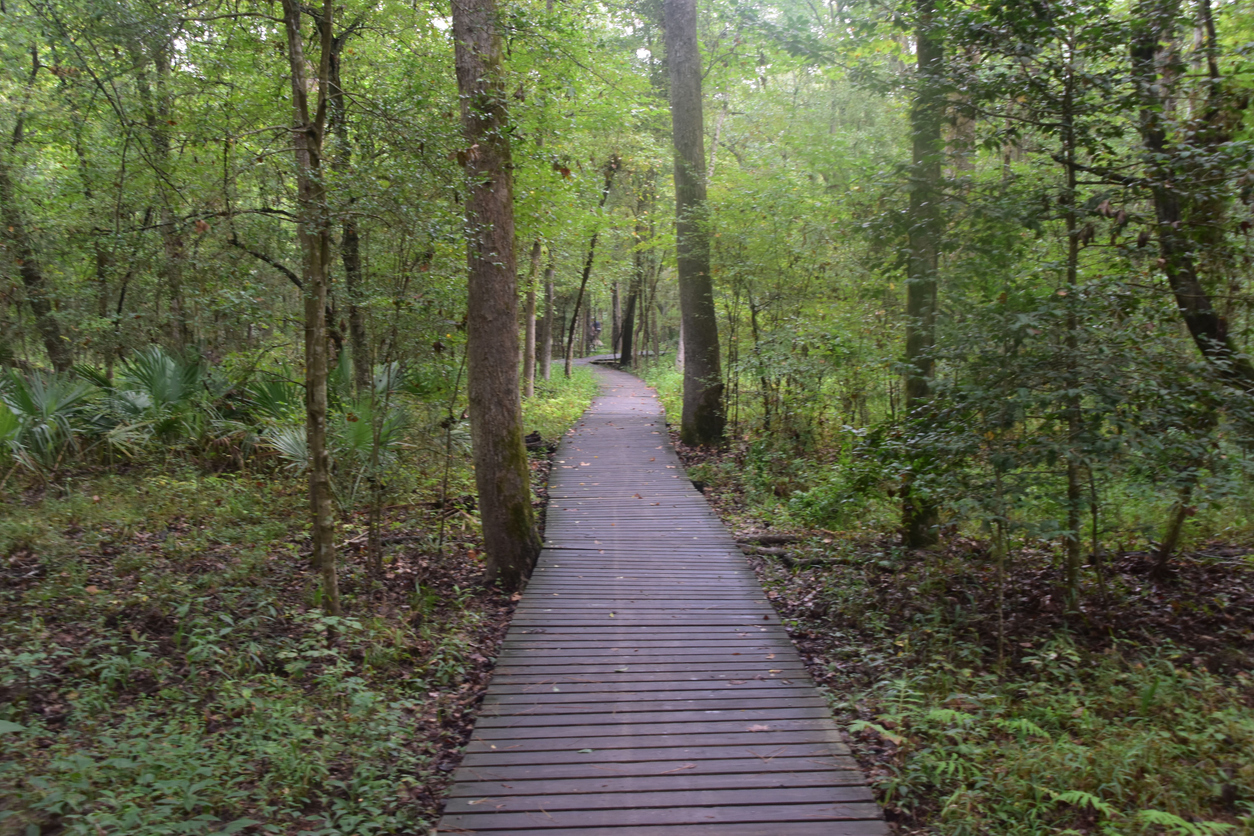
The fishery benefits from habitat structure and steady management. Bass and Crappie remain key targets year-round, while Catfish provide steady action. Shoreline access and fishing piers make the lake approachable for anglers of varying experience levels.
Huntsville scored especially well in infrastructure and fishery strength, placing it solidly in the upper tier of this ranking.
Lake Arrowhead State Park
Lake Arrowhead delivers reservoir-scale fishing within a state park framework. According to TPWD, the lake supports Largemouth Bass, White Bass, White Crappie, Channel, Blue, Flathead Catfish, and Sunfish.

The state park includes a lighted fishing pier and boat ramp, while the lake itself contains multiple improved access points. This flexibility allows anglers to approach the lake based on season and target species.
Arrowhead’s broad species mix and access infrastructure make it one of the more versatile parks on the list.
Martin Creek Lake State Park
Martin Creek Lake offers a straightforward but consistent fishery built around Largemouth Bass, Catfish, Crappie, and Sunfish. While not the most species-dense lake in the ranking, it remains productive across seasons.
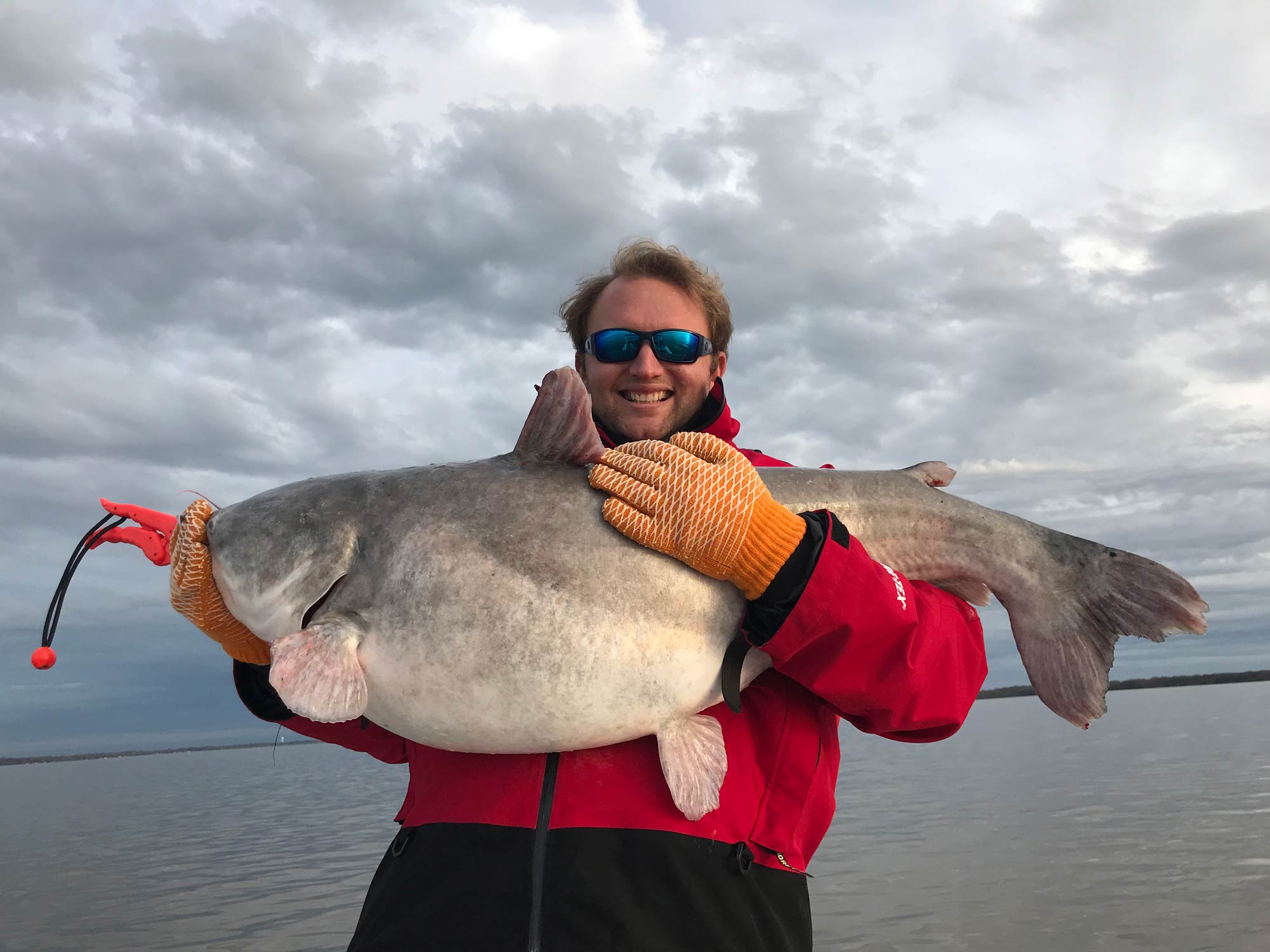
The park features a lighted fishing pier, boat ramp, and full camping facilities. Infrastructure strength helped elevate Martin Creek in the scoring model, particularly for anglers planning multi-day trips.
Its reliability and ease of use are what keep it competitive in the middle tier.
Ray Roberts Lake State Park
Ray Roberts Lake is a large reservoir with documented populations of Largemouth Bass, White Bass, Blue and Channel Catfish, Crappie, and Sunfish. The lake’s scale provides anglers with room to explore different patterns and water types.
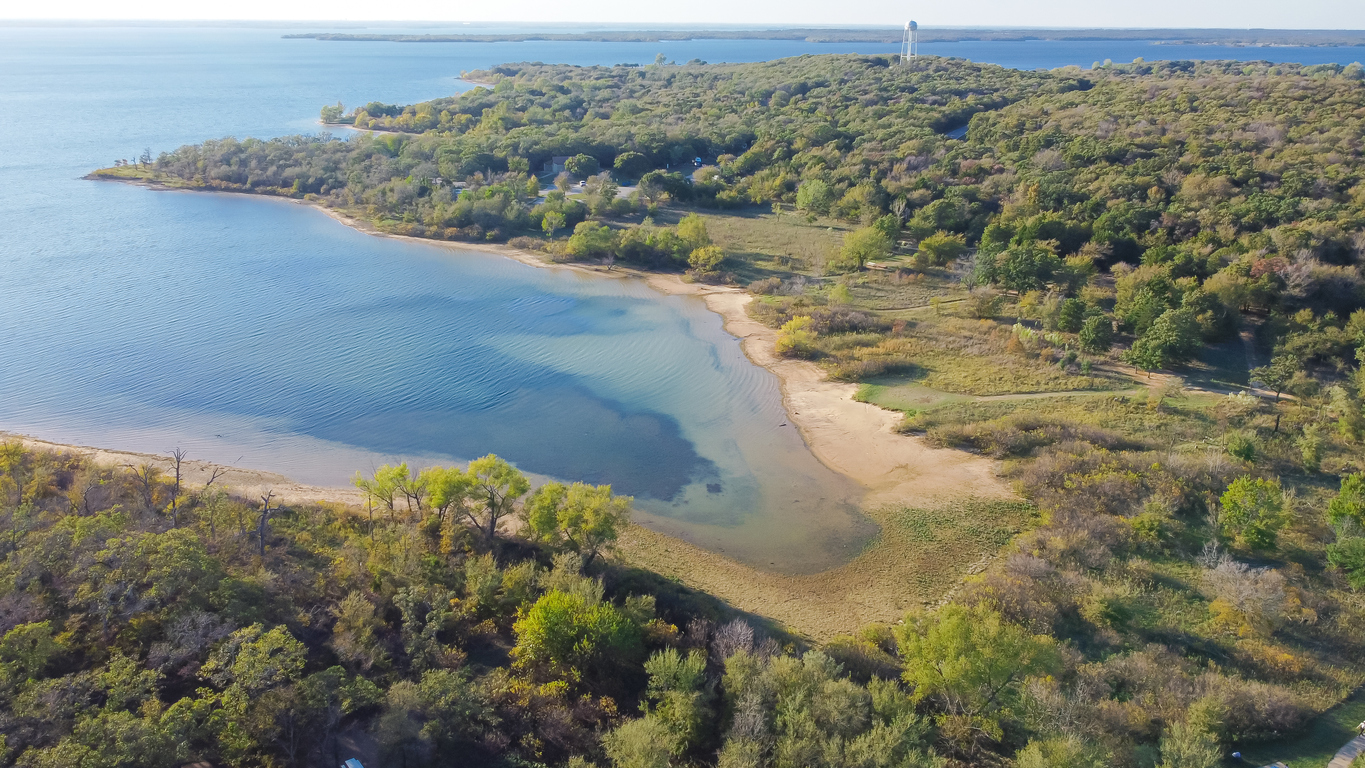
The state park includes pier access, marina facilities, and boat ramps, creating multiple entry points. Ray Roberts also performed strongly in popularity metrics, reflecting its visibility and visitor volume.
While accessibility slightly impacted its overall score, the fishery itself remains one of the more robust options in North Texas.
Purtis Creek State Park
Purtis Creek is best known for its managed Largemouth Bass fishery. The lake has operated under a catch-and-release-only regulation for Bass since its opening, reinforcing its identity as a conservation-focused Bass destination. TPWD also lists Crappie, Catfish, White Bass, and Sunfish.

The smaller lake footprint allows anglers to cover water efficiently. Shore, kayak, and boat access are available, and the focused Bass management strategy gives the park a clear identity within the ranking.
It remains one of the more specialized fisheries on this list.
Lake Tawakoni State Park
Lake Tawakoni differentiates itself with the inclusion of Striped Bass and Hybrid Striped Bass alongside Largemouth Bass, White Bass, Catfish, and Crappie. That temperate bass component adds a unique dimension compared to many other parks.
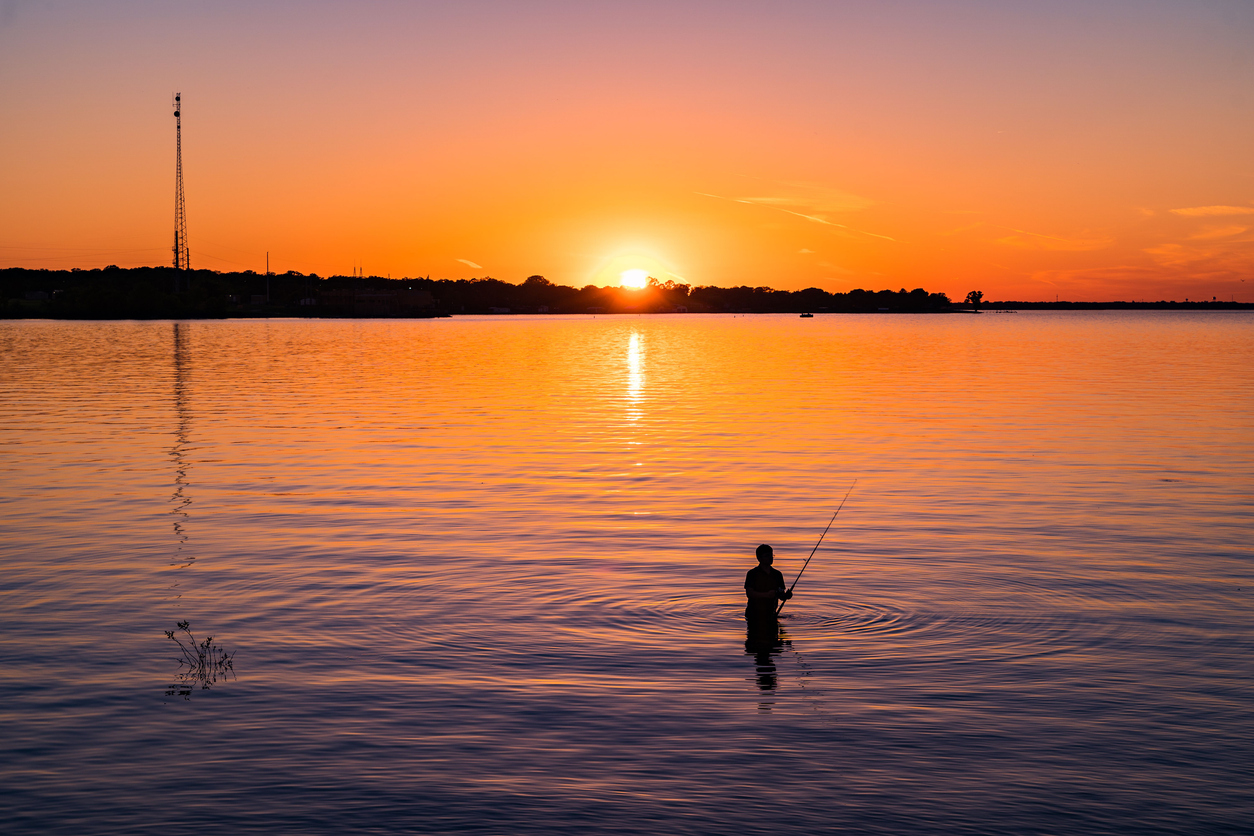
The reservoir scale supports open-water fishing strategies, and the park provides boat ramps and shoreline access. While infrastructure scoring was slightly lower than that of higher-ranked parks, the fishery remains significant.
Tawakoni stands out to anglers targeting species not commonly found in smaller state park lakes.
Tyler State Park
Tyler State Park supports Largemouth Bass, Spotted Bass, Crappie, Catfish, Sunfish, White Bass, and Chain Pickerel — the latter being less commonly highlighted in Texas park systems.
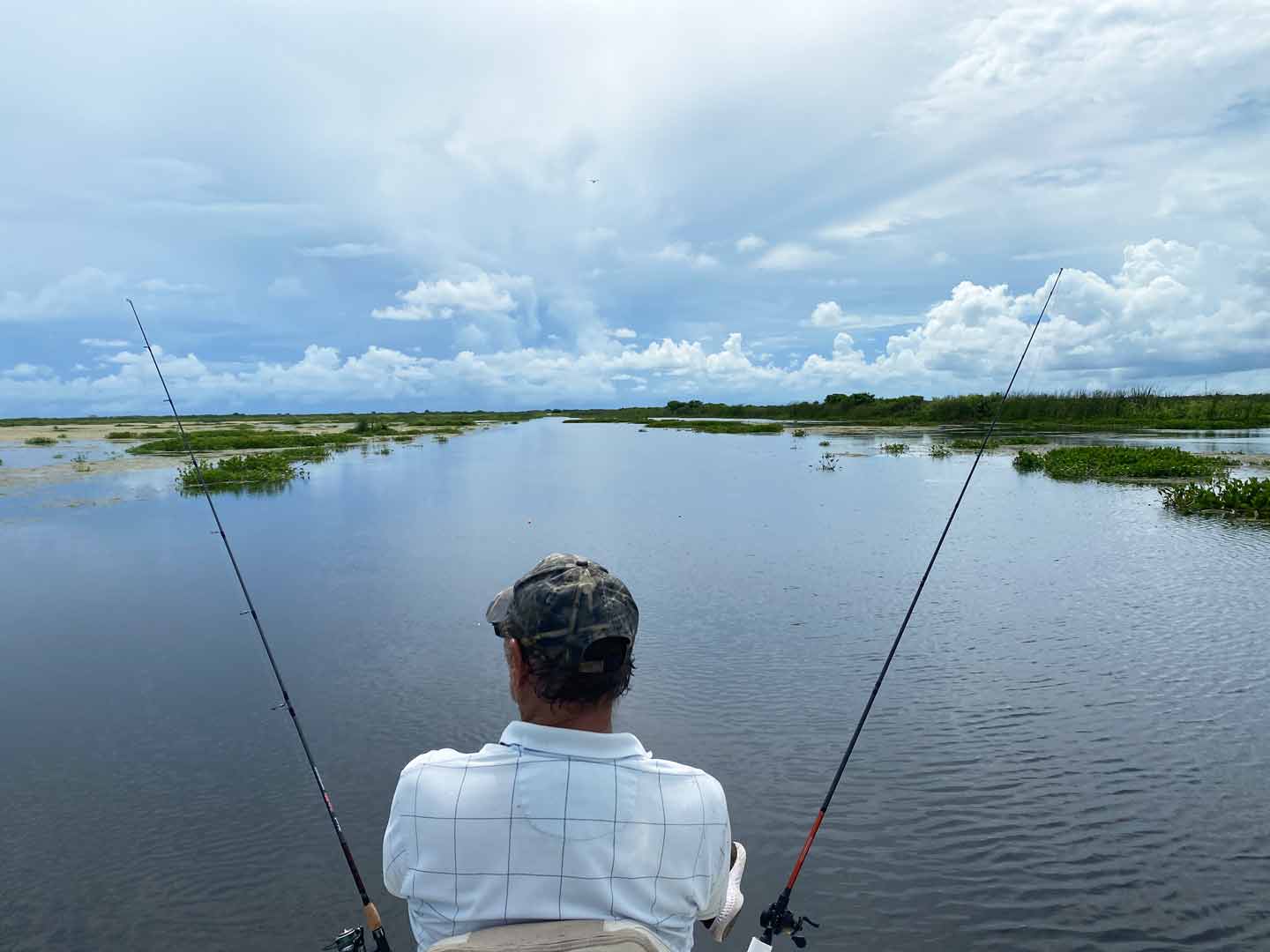
The park includes a fishing pier, boat ramp, and shoreline access. While its geographic accessibility affected its ranking position, the fishery itself remains diverse and legitimate.
For anglers willing to travel, Tyler delivers a well-rounded experience anchored by a documented multi-species lake
Methodology
To determine the Top 10 Fishing State Parks in Texas, we evaluated parks using a weighted scoring model designed to prioritize fishing strength while accounting for real-world usability. Each park was scored across four categories:
Fishing & Access Signals (40%)
We assessed the number of sport fish species officially listed by Texas Parks & Wildlife, the presence of key Texas target species such as Largemouth Bass, Crappie, Catfish, White Bass, and Striped or Hybrid Bass, and whether the fishery is supported year-round. We also evaluated shore fishing, kayak or canoe access, and public boat ramp availability. Because this category represents 40% of the total score, fisheries with diversity and multiple access formats had the greatest impact on final placement.
Facilities & Infrastructure (25%)
We analyzed fishing piers or docks (including ADA access), campgrounds, restrooms, parking availability, and rental options. At 25% of the score, infrastructure significantly influenced rankings for parks that make trip planning simple.
Accessibility (20%)
We evaluated proximity to a nearby major Texas city. Parks within shorter driving distances scored higher, reflecting practical travel considerations.
Popularity Signals (15%)
Google Maps ratings and review volume were incorporated as indicators of visitor satisfaction and visibility. At 15% of the total score, popularity served as a balancing factor without outweighing fishing quality.
Each park’s final position reflects the combined weighted score across all four categories.
The post Top 10 Fishing State Parks in Texas for 2026 appeared first on FishingBooker Blog.
https://ift.tt/4SyoUQh
0 Comments
Enregistrer un commentaire