On the search for a fun fishing adventure that results in a fresh-caught, tasty dinner? Then you’ll want to participate in the Louisiana Flounder season! Many Southern Flounder inhabit the Bayou State’s waters, providing great chances of hook-ups. And with an open season pretty much year-round, there’s almost never a bad time to visit.
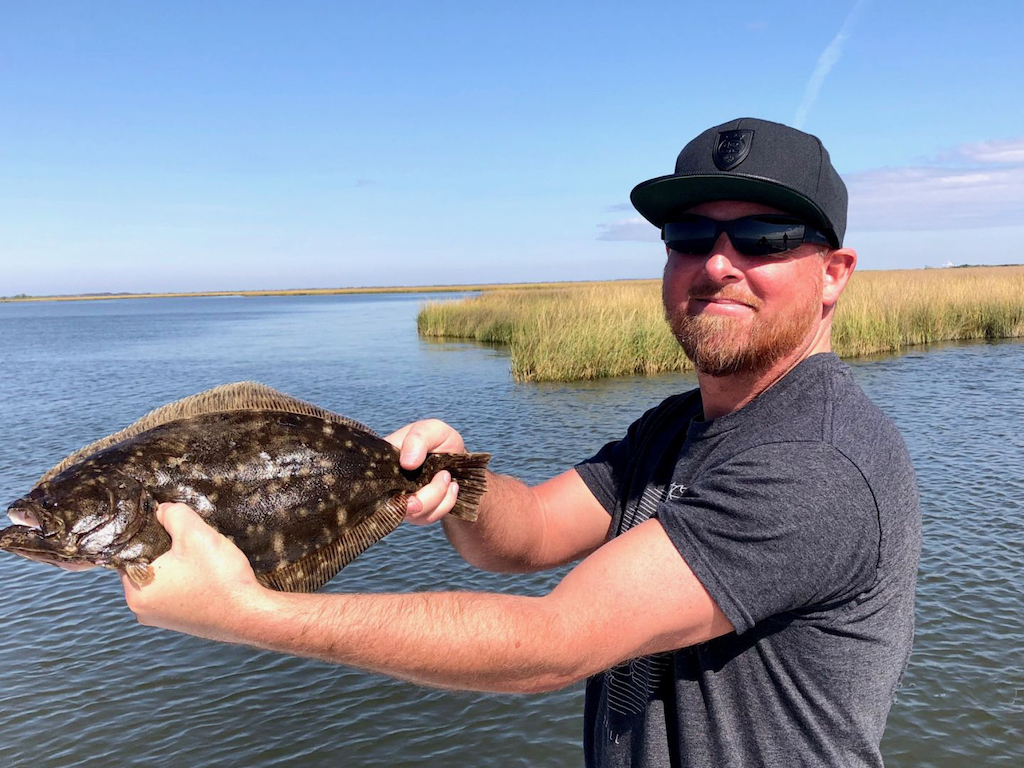
Get ready to dive into all the rules, regulations, and tips for the LA Flounder season. I’ll run you through everything you need to know for a successful adventure. Here goes…
Peak Flounder Season in Louisiana
Spring and summer bring the peak Southern Flounder season in Louisiana, as the warmer temperatures and high bait activity entice abundant numbers of the species. These fish stay around through fall, too, as Flounder spawn during this season, making them more active. That being said, they tend to head a little bit further out this time of year. And there are some restrictions in place…
Louisiana Flounder Fishing Regulations
I mentioned that the season is open most of the year, but there is a closed season in fall. You’ll be restricted from targeting Flounder in Louisiana between October 15 and November 30. This coincides with their spawning season, giving them some space to reproduce and repopulate.
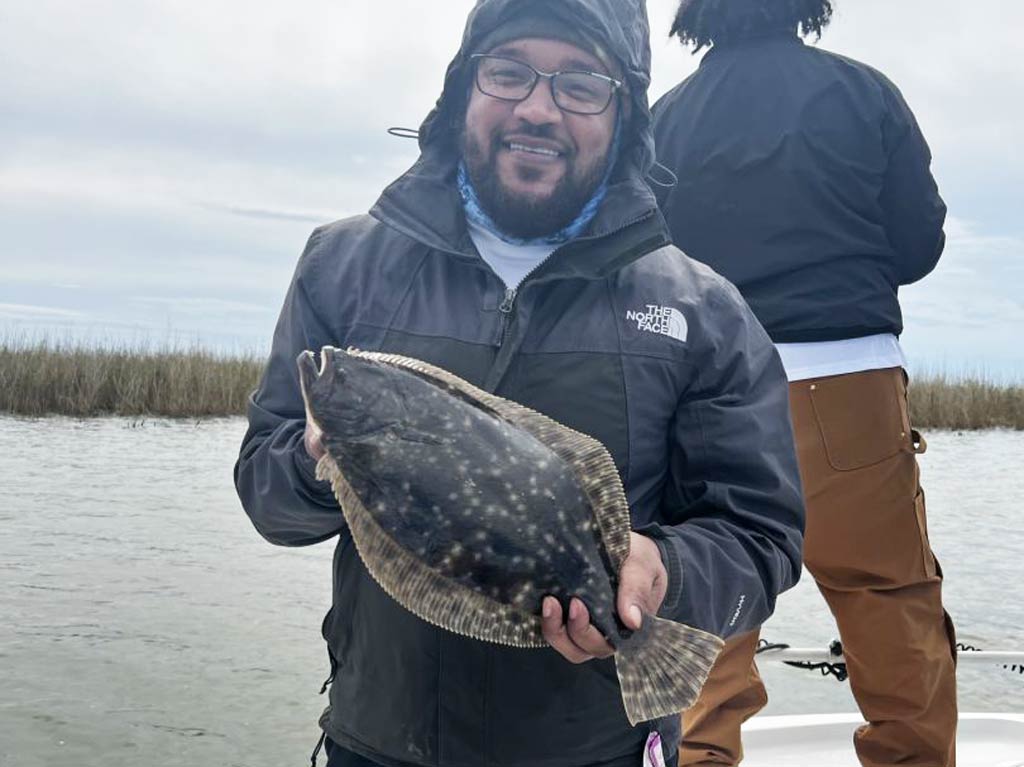
When the season is open, the fish are subject to a bag limit of 10 per person. There are no minimum or maximum size requirements during open season, so you can keep everything you catch – in theory.
Just note that you’ll need a valid LA saltwater fishing license before casting a line here. This is true whether you’re an active local or just visiting and fishing for a couple of days. And, unlike in some states, you still need a permit even if fishing with a licensed charter.
How to Catch Louisiana Flounder
Louisiana’s marshes, bayous, tidal passes, jetties, flats, and estuaries are prime habitats for Southern Flounder, making these fish a favorite inshore target. While they can be caught throughout the day, the best fishing for them is typically during early morning or late evening hours, especially around a moving tide.
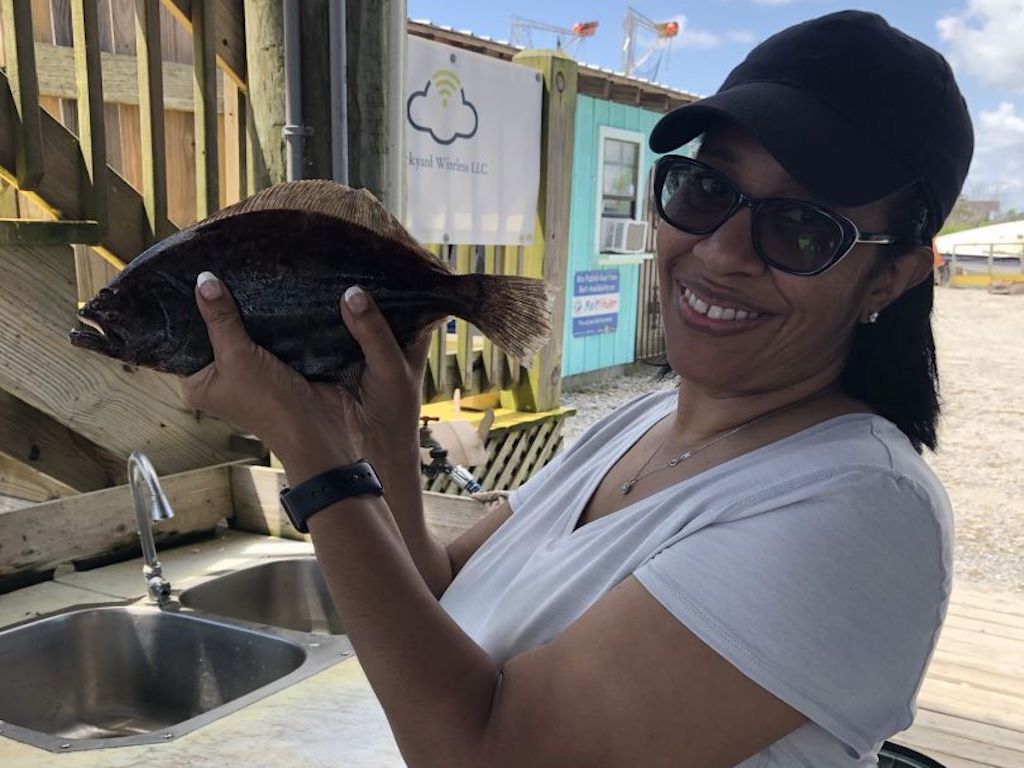
An outgoing tide is very productive, as Flounder often wait along marsh drains, creek mouths, channel edges, and areas with a good current flow to ambush bait fish swept by the current. In addition to dawn and dusk hours, nighttime is another key time to catch LA Flounder, especially by gigging when slowly drifting with a spotlight.
A slow bottom presentation using a light to medium-light setup is one of the best ways to catch Louisiana Flounder, as they’re bottom-dwelling fish. Paddle tails, jigs, spoons, bait imitations, and scented plastics on jigheads work consistently, with white, pink, neon, and natural bait colors performing well. Live shrimp, mullet, and minnows are also excellent choices for live or cut bait.
You can drift live bait or slowly retrieve and jerk artificials along key habitats, keeping your bait near the bottom. Wait a moment before setting the hook, allowing the Flounder time to fully take the bait. Once hooked, keep steady pressure on the fish and use a net when possible. Flounder can make a last-second shake at the surface.
Hotspots for Louisiana Flounder
With its winding waterways and countless bayous, Louisiana is home to many productive Flounder fisheries. Here are a few of the most known places to target these prized Flatfish in the Bayou State:
Vermillion Bay
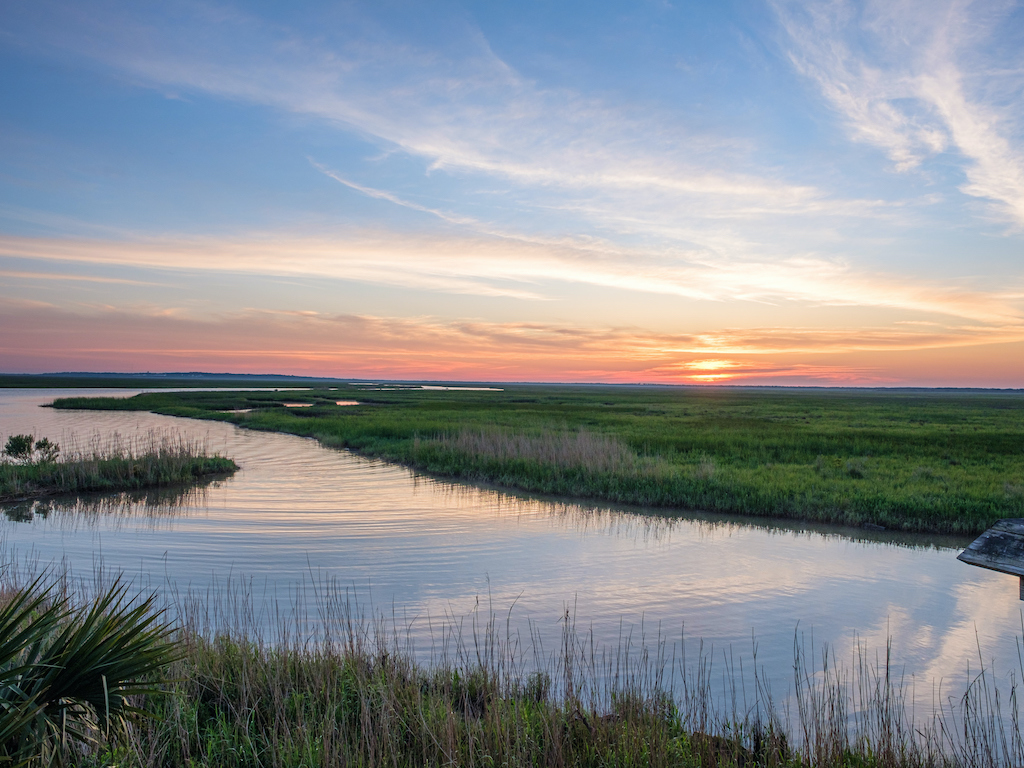
This is one of Louisiana’s most famous Flounder honey holes. The bay’s marsh drains, oyster reefs, and tidal channels create ideal ambush points where tons of Flounder wait for prey to pass by. Fishing is productive during the summer and fall migrations. Meanwhile, gigging is effective in the shallows on calm nights. You can also try your luck shore fishing from Cypremort Point.
Cote Blanche Bay
Located just east of Vermilion Bay, Cote Blanche Bay offers miles of productive marshes, bayous, and shallow flats. Flounder are commonly found around creek mouths, cuts, and channel edges where moving tides concentrate bait. You can enjoy consistent action in this bay by drifting live bait or slowly working soft plastics along the bottom.
Grand Isle
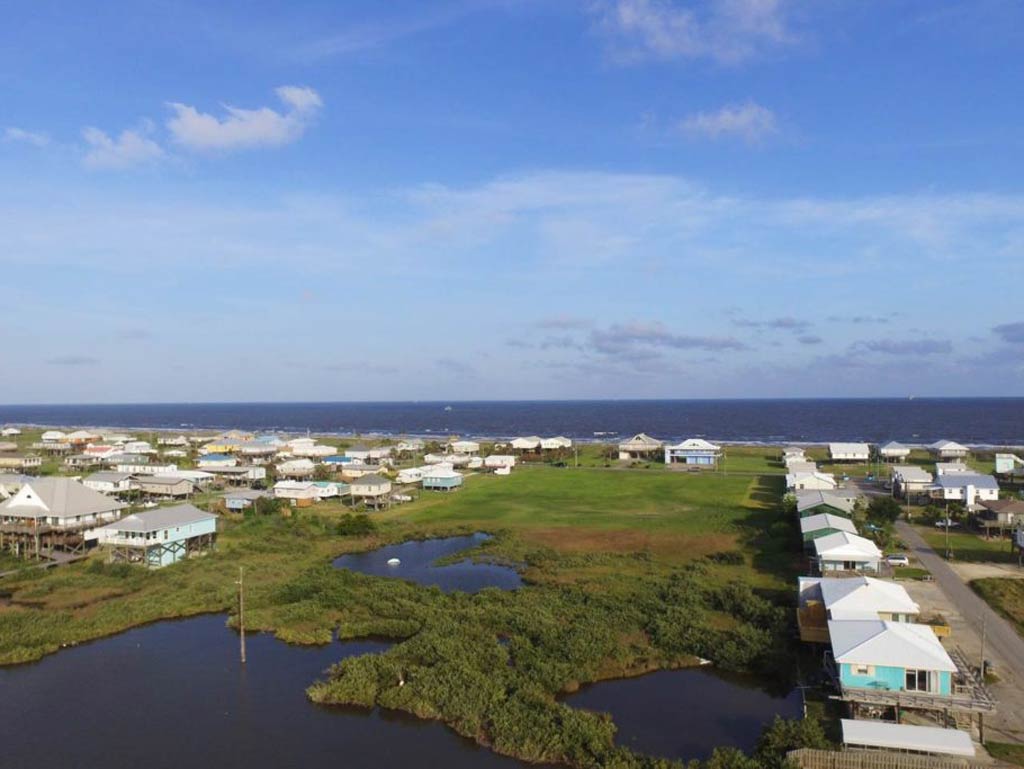
Grand Isle is another iconic Louisiana Flounder destination. Beaches, rock jetties, marsh drains, passes, and channels funnel bait fish toward the Gulf, drawing hungry Flounder into the area. Both regular fishing and nighttime gigging are popular here when water clarity allows. But even if murky, it still can be productive with the right gear and techniques.
Terrebonne & Barataria Marshes
Thanks to their endless network of bayous, ponds, and tidal creeks, the marsh systems of Terrebonne and Barataria Bay consistently produce Flounder fishing in Louisiana. The fish hang around marsh drains and current breaks on falling tides, waiting for bait fish – or your lure – to pass by so they can strike. These marshes are a favorite among local and visiting anglers using both live bait and artificial lures.
Sabine Lake
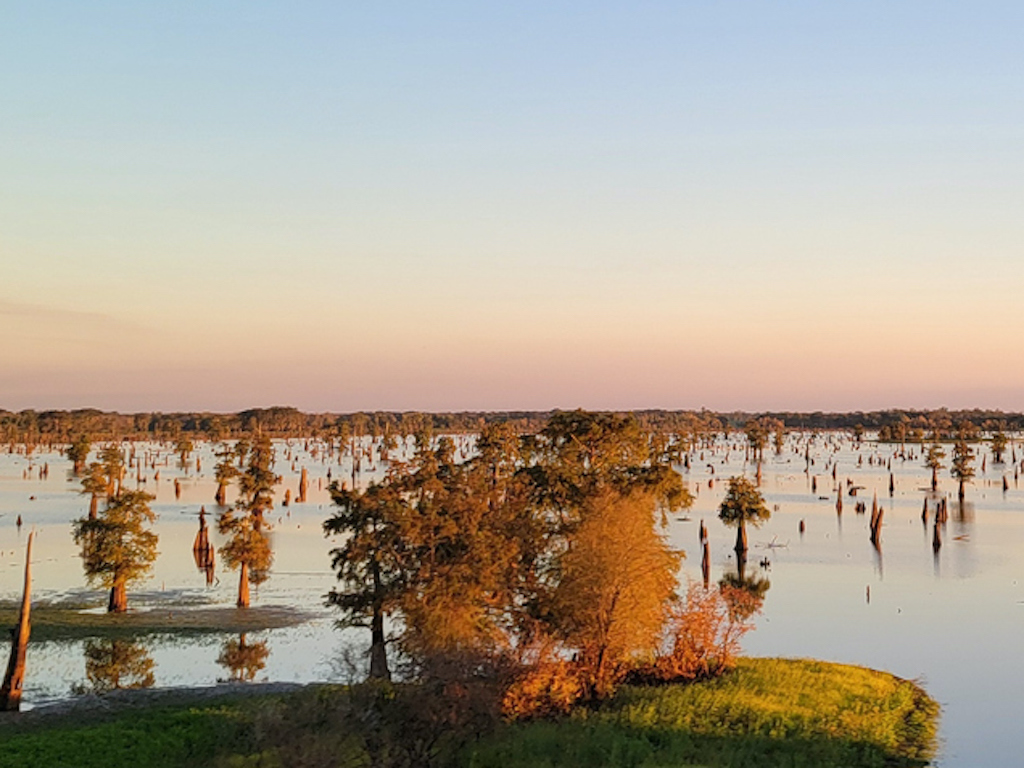
I have one more Flounder Louisiana hotspot to mention: Sabine Lake. Straddling the Louisiana-Texas border, this hotspot is well known for its outstanding fall Flounder run. While you may not be able to harvest them, the Flounder are heavily abundant in the area this time of year, with marshes, shallow flats, and the Sabine Pass providing excellent habitat. Live bait, soft plastics, and nighttime gigging are all productive techniques here.
Louisiana Flounder Season FAQs
LA Flounder Season Is Ready for You!
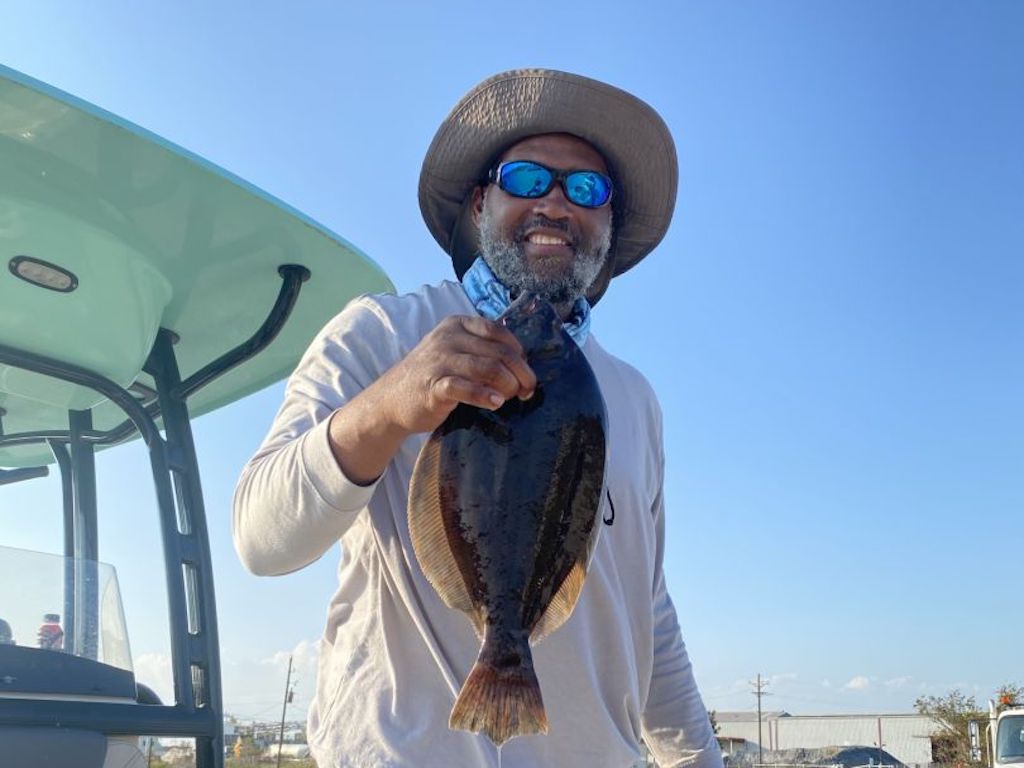
Louisiana offers incredible Flounder fishing opportunities throughout the year. By understanding their seasonal movements, fishing productive habitats, and following current regulations, you’ll have a great chance of landing one of these unique and delicious Flatfish. Grab your gear, hit the water soon, and enjoy everything the Bayou State has to offer this Flounder season!
What’s the biggest Flounder you’ve ever caught? Did you harvest and make a meal out of it? If so, how was it?
The post Flounder Season in Louisiana: An Angler’s Guide for 2026 appeared first on FishingBooker Blog.
https://ift.tt/ZxPilGA
0 Comments
Enregistrer un commentaire