Seabass come in many shapes and sizes. But in the Northeastern US, one species dominates: Black Seabass. These jet-dark critters are a favorite for anglers from Virginia northwards, and offer rewards whether you’re looking for an exciting angling adventure and a tasty treat. But you’ll want to time your fishing trip with the Black Seabass Season.
Thankfully, I’m here to walk you through everything you need to know. From a quick look at the fish, through the best techniques, to the all-important seasons by state, I’ve got you covered. So let’s dive in to get you ready to start casting!
Black Seabass Overview and General Seasons
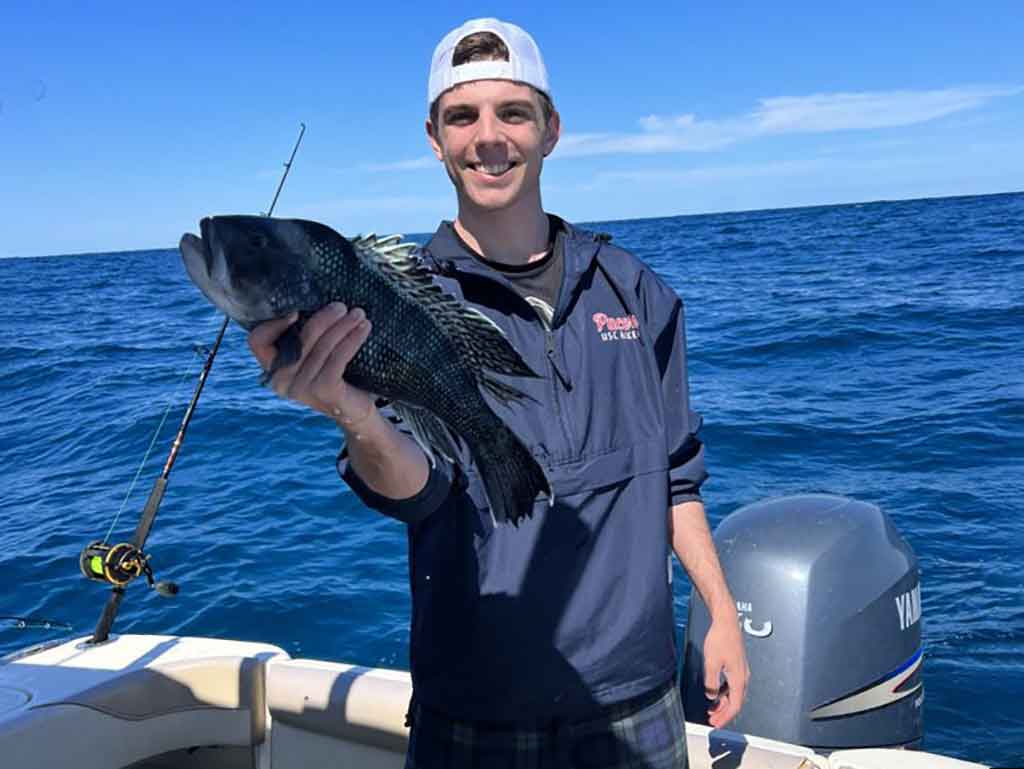
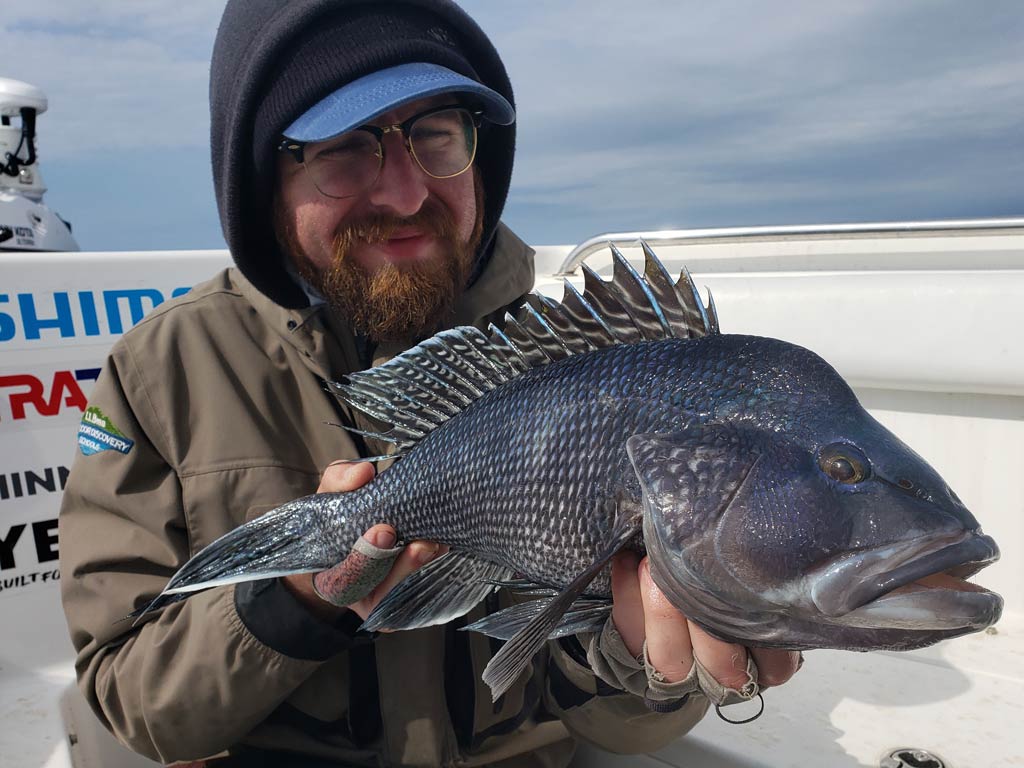
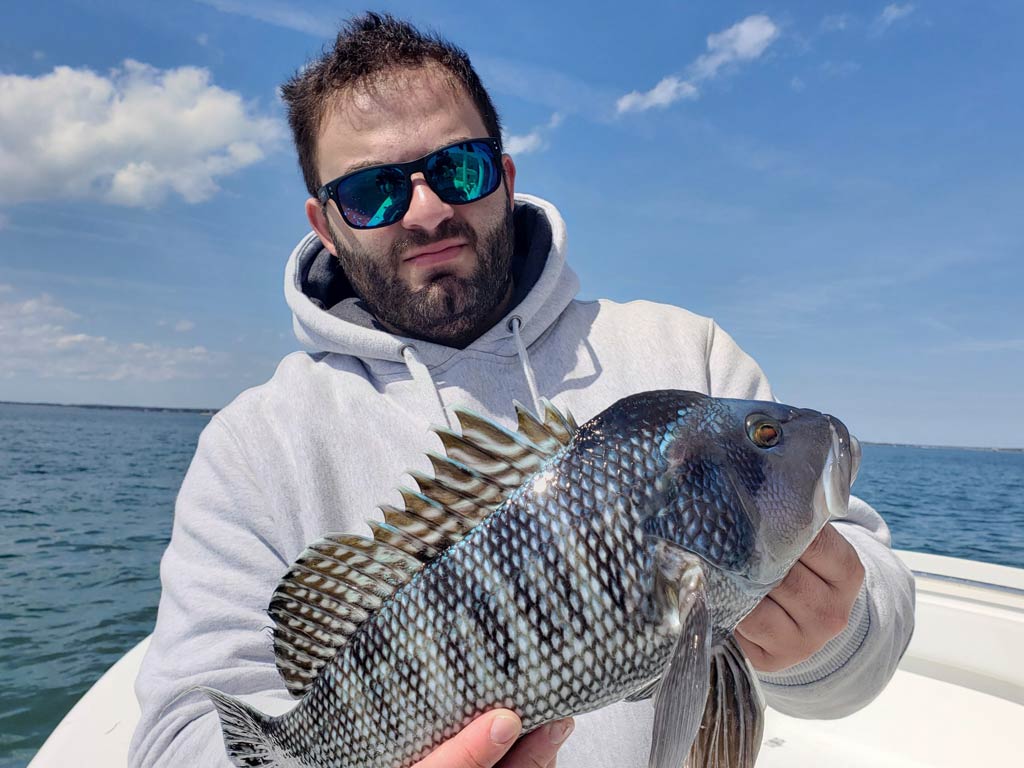
Black Seabass are on the smaller side of marine species, with an average size of 10 pounds. They have a dark-scaled body with shiny hues throughout. Their dorsal fin stretches long across the top of their body, with a mix of sharp and smooth spines. But don’t let their size and cool looks fool you. These fish are territorial, can be aggressive, and are opportunistic feeders. All of this makes for a fun-sized catch for all ages!
Before we break it down by state, here’s what you need to know about Black Seabass seasons. Typically, spring through early summer is the best time to go Seabass fishing. Spawning takes place during this time, while rising temeratures also make the fish feisty and fired up for food. Dawn and dusk hours are great for Black Seabass fishing in the Northeastern US. However, they can bite all day long in deeper waters. Just keep in mind that they like it warm, but not hot.
Seabass Fishing Seasons By State
New York (NY) Black Seabass Season

The 2026 New York Seabass season runs in two phases:
- May 16 to August 31: Daily bag limit of 3. Minimum size of 16 inches.
- September 1 to December 31: Daily bag limit of 6. Minimum size of 16 inches.
Peak NY Seabass fishing usually occurs during summer and early fall as fish migrate nearshore. Some of the best hotspots for Seabass in NY include Montauk, Long Island Sound, and the New York Harbor. These fish commonly hold around rocky bottoms, reefs, bridge pilings, offshore wrecks, and artificial reefs in these areas.
Connecticut (CT) Black Seabass Season
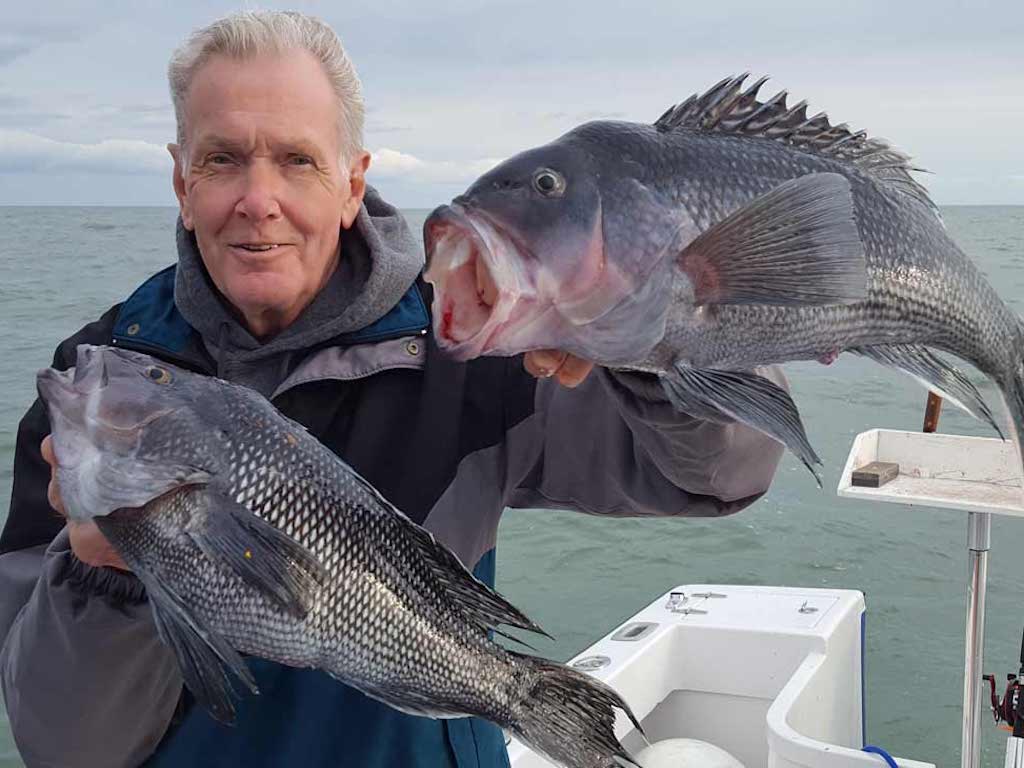
In Connecticut, Seabass season for 2026 was recently updated, with the general angler regulations running from May 16 through November 25. A 15.5-inch minimum size limit and daily bag limit of four fish also exist.
That being said, party and charter vessels receive an extended season through December 31, with bag limits increasing to 6 fish beginning on September 1! Summer remains the peak period for CT Seabass fishing.
Connecticut Seabass hotspots include the reefs, rocky humps, wrecks, and mussel beds near New London, Bridgeport, and Niantic. Seabass hang around hard-bottom structures like channel edges and rock piles in both inshore waters and deeper offshore areas. Schools will gather together, producing some great Seabass fishing opportunities.
Virginia (VA) Black Seabass Season
Black Seabass regulations in VA are a little more strict than the other states so far, with a 13-inch minimum size limit and an open recreational season running from May 11 through December 31. Virginia’s Seabass fishery is particularly strong during summer and fall, though some deeper offshore structure is possible to produce all year.
Nearshore structurea, bays, piers, pilings, and offshore wrecks and reefs produce solid fishing. However, the Chesapeake Bay is home to Virginia’s top Seabass hotspots, while fish will gather in surrounding coastal or deeper waters around shipwrecks, hard-bottom ledges, rocky structure, and artificial reef systems.
Massachusetts (MA) Black Seabass Season
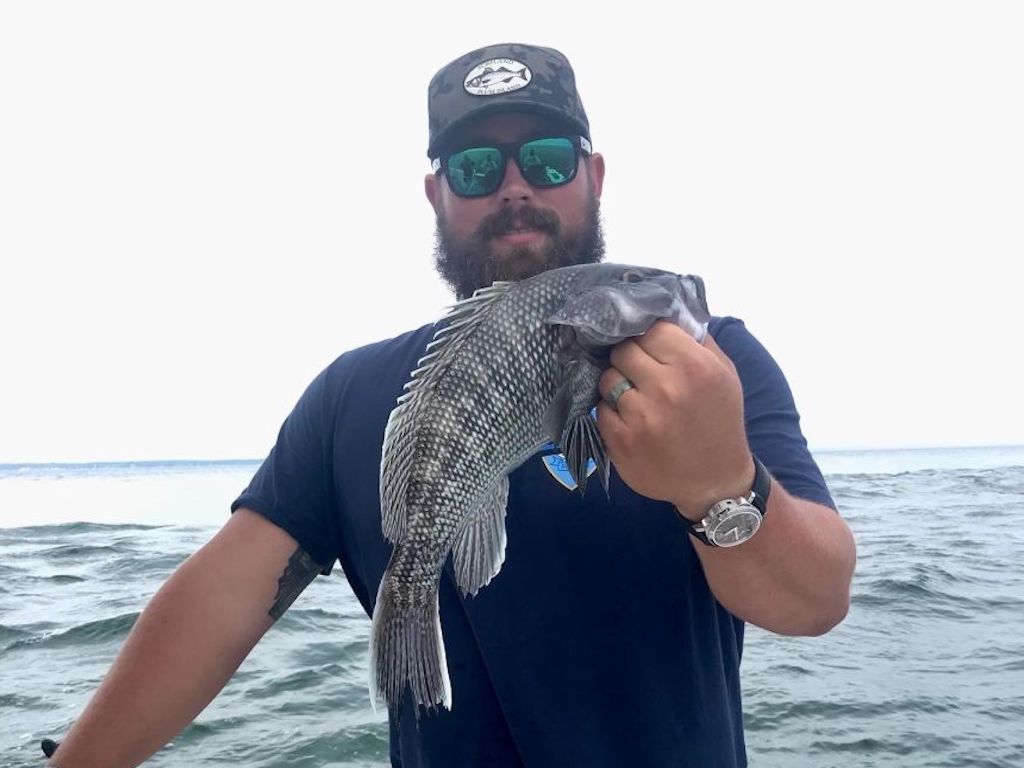
Seabass season in Massachusetts was altered this year, expanding the season longer than last year, as well as slightly decreasing the minimum size limit. The new minimum requirement is 16 inches, with the following daily bag limits:
- May 16 to August 31: Four fish.
- September 1 to October 14: Six fish.
Peak season is late spring to early fall, but fishing can be productive most of the year – excluding the winter months. Cape Cod, Buzzards Bay, Nantucket Sound, Martha’s Vineyard, as well as offshore wrecks, are all a part of Massachusetts’s top Black Seabass hotspots. Productive habitats include ledges, reefs, and hard-bottom structure. They also migrate inshore to piers and jetties during summer.
Rhode Island (RI) Black Seabass Season

Rhode Island’s Black Seabass regulations are pretty similar to New York’s regulations, with a difference between recreational and commercial fishing. In general, there’s a 16-inch minimum size limit with a season beginning May 16 and running through December 31. Recreational daily bag limits are three fish per angler per day.
Major Rhode Island Seabass hotspots include Narragansett Bay, Block Island Sound, and Point Judith. Popular habitats you can find them in, like the above states, are rocky areas, wrecks, submerged structures, mussel beds, and artificial reefs in both inshore and offshore waters. The best Seabass fishing also occurs from late spring through early fall.
Black Seabass Techniques, Bait, and Gear
Before wrapping up, I’ll just let you in on some of the top ways to hook up to some Seabass. After all, there’s no point heading to one of the aforementioned hotspots without a clue what to do!

I already mentioned that you can find these fish inshore and in deeper waters offshore. That means there’s a range of techniques you can try. Free-lining cut and live bait with sinkers, working artificial lures off the bottom, and even drifting or trolling bait above structure are all successful methods for catching Black Seabass.
As Seabass are opportunistic feeders, they’ll eat quite a few things, too. Key live and cut bait include squid, clam, crabs, eels, herring, and other small whitebait. For lures, jigs, swimbaits, and crankbaits are top performers. Use a medium or medium-heavy setup to rip them out of structure holes and rocky bottoms before they can hide. A decently thick braided line and fluorocarbon leader is essential to help prevent fray.
Enjoy the Northeastern US Seabass Fishing Season!
Black Seabass season in the Northeastern US offers something for every angler – whether you enjoy fishing inshore structure or heading offshore to deep wrecks and reefs. With productive waters spread across all the states I mentioned, there’s no shortage of opportunities to hook into these aggressive and fun-to-catch fish.
Remember to always check current local regulations before you gear up, as they are subject to change. The good news is that you can follow my advice above, focus on structure-rich habitats, and you’ll have a good chance at success!
What’s your biggest Black Seabass catch? Which state did you catch it in? Share your experience with us in the comments below!
The post Black Seabass Season in the Northeastern US: The Complete Guide for 2026 appeared first on FishingBooker Blog.
https://ift.tt/15XrBDZ
0 Comments
Enregistrer un commentaire